The Sustainable School Feeding Network (RAES) was created in 2018 through an agreement between Brazil’s National Fund for Education Development (FNDE) and the Brazilian Cooperation Agency (ABC), with technical support and an executive secretariat provided by the FAO. Today the network brings together 18 Latin American and Caribbean countries to strengthen a policy that currently benefits 85 million students.
Paulo Beraldo
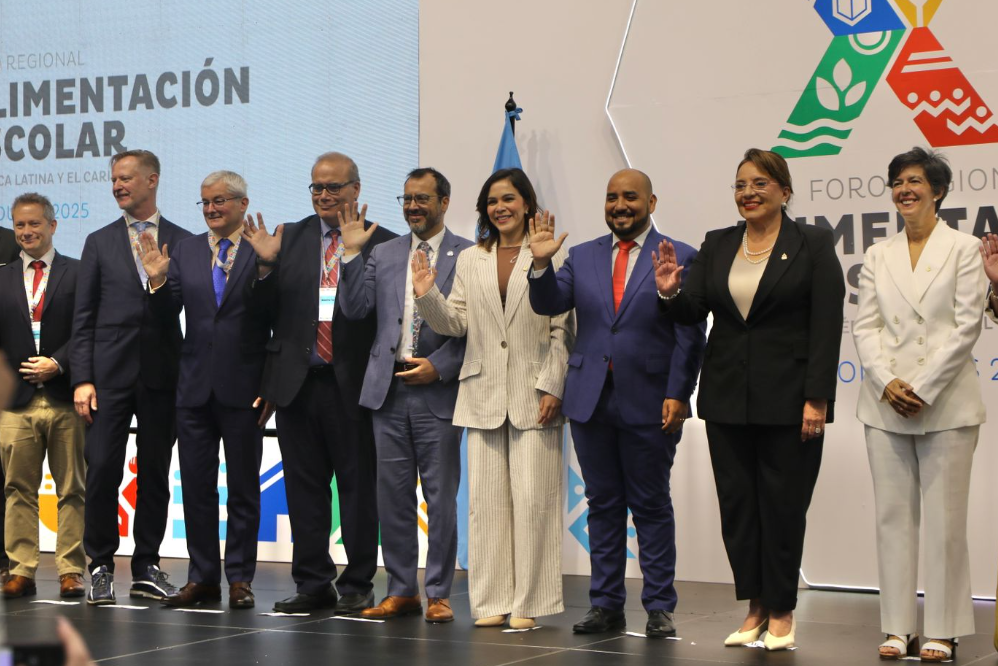
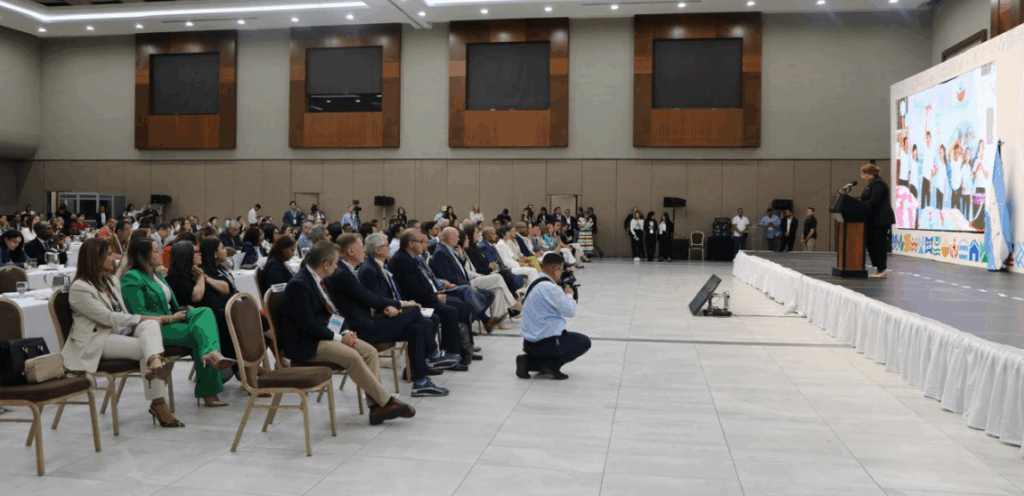
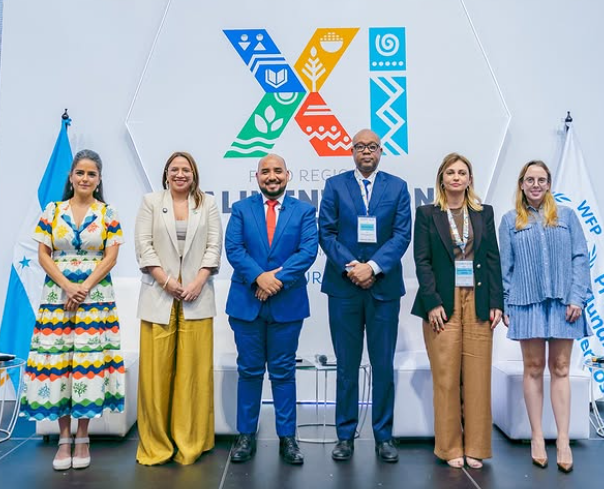
Honduras, 16 July 2025 — The Sustainable School Feeding Network (RAES) took part in the XI Regional School Feeding Forum, organised by the Government of Honduras and the World Food Programme (WFP) in San Pedro Sula from 15 to 17 July. The forum is a major platform for dialogue on the progress of the school feeding programmes in the region, and RAES also hosted a side event for several of its member countries.
The meeting brought together high‑level participants — ministers, secretaries, ambassadors, professionals from a range of institutions and school feeding managers from several nations. The RAES is a trilateral South–South cooperation initiative led by the ABC, the FNDE and the Food and Agriculture Organization of the United Nations (FAO).
During the forum, RAES and its founding institutions — ABC, FNDE and FAO — reaffirmed their commitment to enhancing and expanding school feeding programmes. Thanks to country engagement and FAO technical assistance, these programmes are helping to eradicate hunger and improve nutrition for more than 85 million students across Latin America and the Caribbean.
RAES: a powerful collective strategy
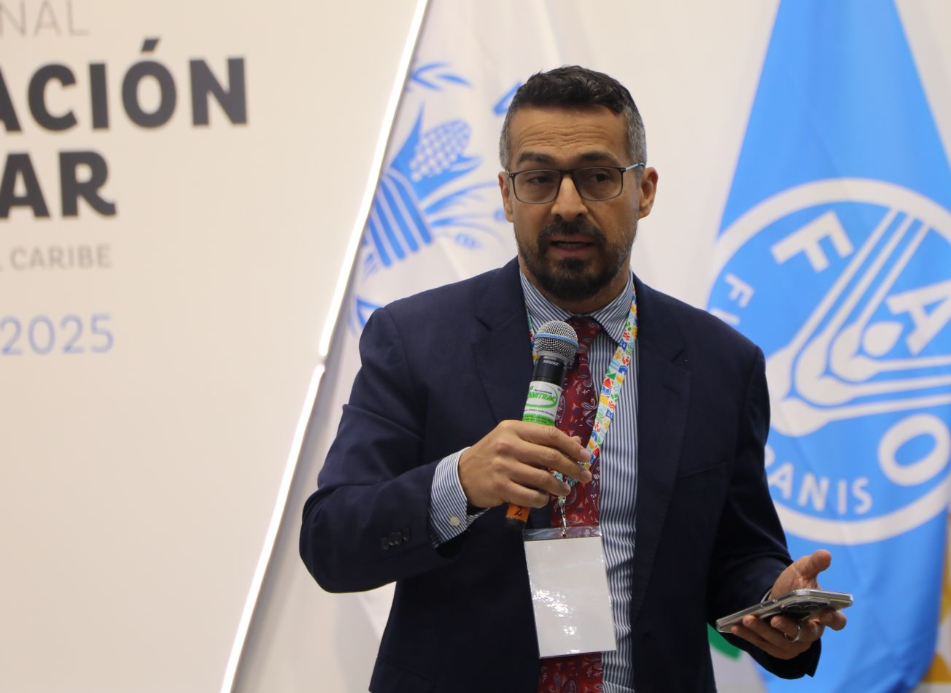
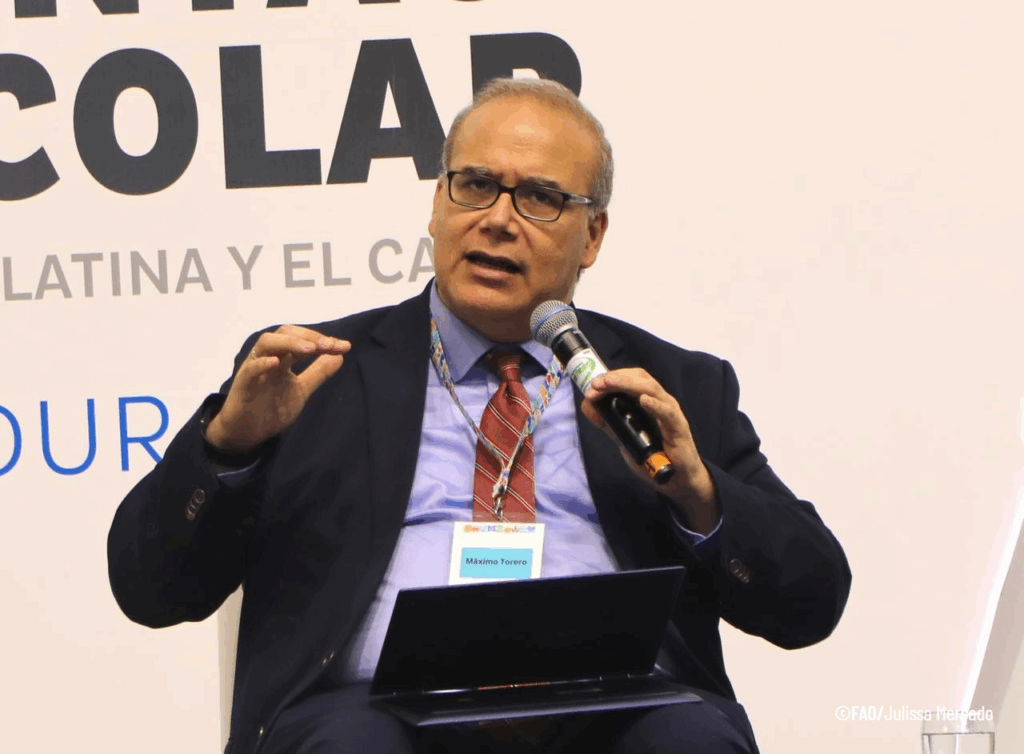
FAO Chief Economist and Acting Regional Representative for Latin America and the Caribbean Máximo Torero presented the organization’s work in the region and highlighted the creation of RAES as a decisive factor.
“School feeding programmes are crucial: they reach those who need them most, cushion the impact of crises and strengthen community resilience. FAO has helped establish more than 23 000 Sustainable Schools in the region, promoting educational gardens, local procurement and models that link food, production and territorial development,” he said, citing the Sustainable Schools methodology, active in 14 countries with support from Brazil–FAO International Cooperation.
“School feeding is an investment in human development with a high rate of return. Beyond innovative financing, we must improve the efficiency of existing funding sources and target public spending more effectively. The Global Alliance Against Hunger and Poverty plays a key role by providing a platform for policy and resource coordination, enabling impactful interventions and higher social and economic returns,” Torero added.
Political commitment
Saulo Ceolin, director for food and nutrition security at Brazil’s Ministry of Foreign Affairs and co‑coordinator of the Global Alliance Against Hunger and Poverty, underlined the long‑standing support provided by Brazil–FAO International Cooperation to school feeding programmes since 2009. He stressed that the collaborative approach contributes to the Sustainable Development Goals (SDGs) and highlighted the importance of the commitment of the 18 RAES member countries to strengthening the policy.
Sustainable food systems
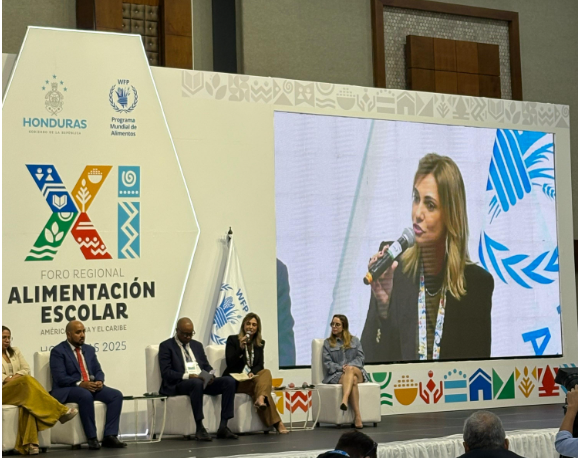
Daniela Godoy, FAO Senior Food and Nutrition Security Officer for the region, also addressed the forum. “School feeding programmes are a critically important policy for building sustainable agrifood systems and healthy diets, and they contribute to food security and better nutrition for millions of pupils,” she said.
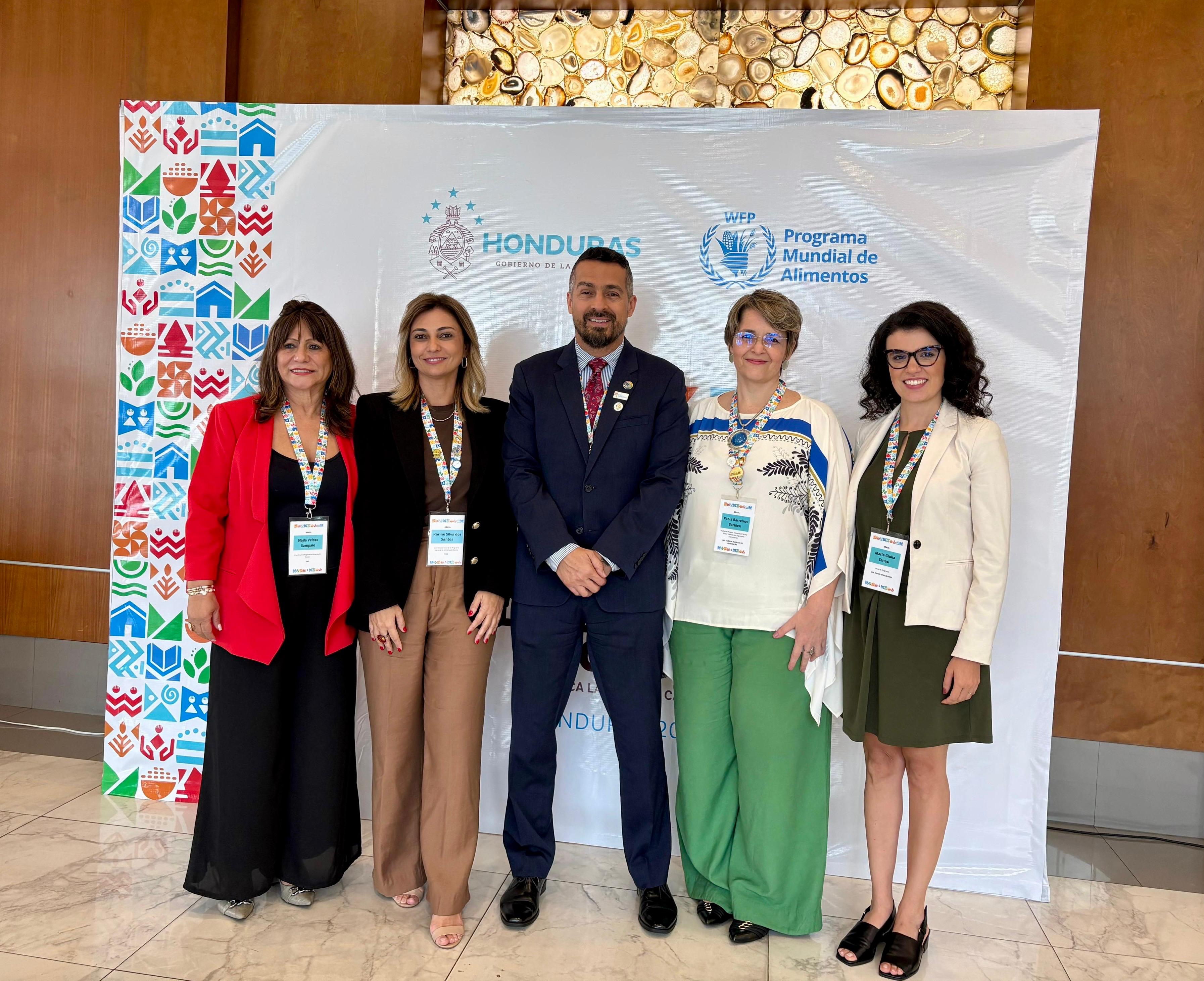
Meeting of RAES member countries
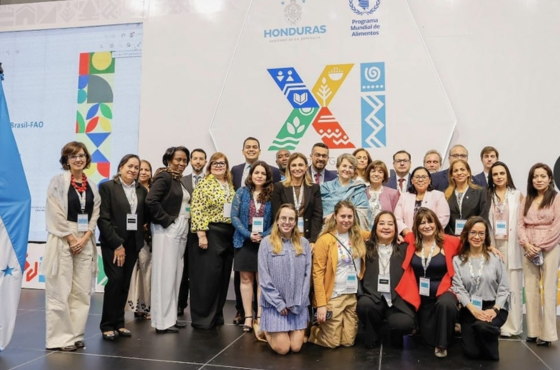
On the sidelines of the forum, RAES organized a parallel session with member states and invited guests. Najla Veloso, FAO senior school feeding specialist and RAES executive secretary, emphasised the importance of dialogue spaces and the need to seek synergies with institutions working on this topic.
The session was also attended by Máximo Torero and Daniela Godoy (FAO); Saulo Ceolin (Brazilian MFA/Global Alliance); Paola Barbieri (ABC); and Karine Santos, general coordinator of Brazil’s National School Feeding Programme (PNAE) at the FNDE. Delegates from Argentina, Belize, Bolivia, Brazil, Chile, Costa Rica, Ecuador, Honduras, Jamaica, Guatemala, Peru, Uruguay and Venezuela took part. The goal was to consolidate national, regional and global linkages.
“RAES intends to remain an active part of this movement, whose goal is to advance school feeding programmes based on the human right to adequate, healthy food, offering fruits, vegetables, and tasty meals to every student,” Veloso said. “We also presented several strategies that are currently being rolled out within RAES.”
Paola Barbieri, project analyst at ABC, underscored the institution’s commitment to regional cooperation on school feeding. “The Sustainable School Feeding Network (RAES) is a powerful cooperation mechanism that strengthens school feeding programmes in each of the Network’s member countries, while also fostering the establishment of a regional agenda and supporting the achievement of the School Meals Coalition’s goal.”
The power of coordination
Karine Santos, general coordinator of Brazil’s PNAE, described intersectorality as “fundamental”. “Bringing multiple stakeholders together to discuss specific aspects of the school feeding programmes has a direct impact on better implementation. In Brazil, the Inter‑ministerial Chamber for Food and Nutrition Security, which unites more than twenty ministries, is a prime example of coordination among agencies and entities in this field,” she noted.
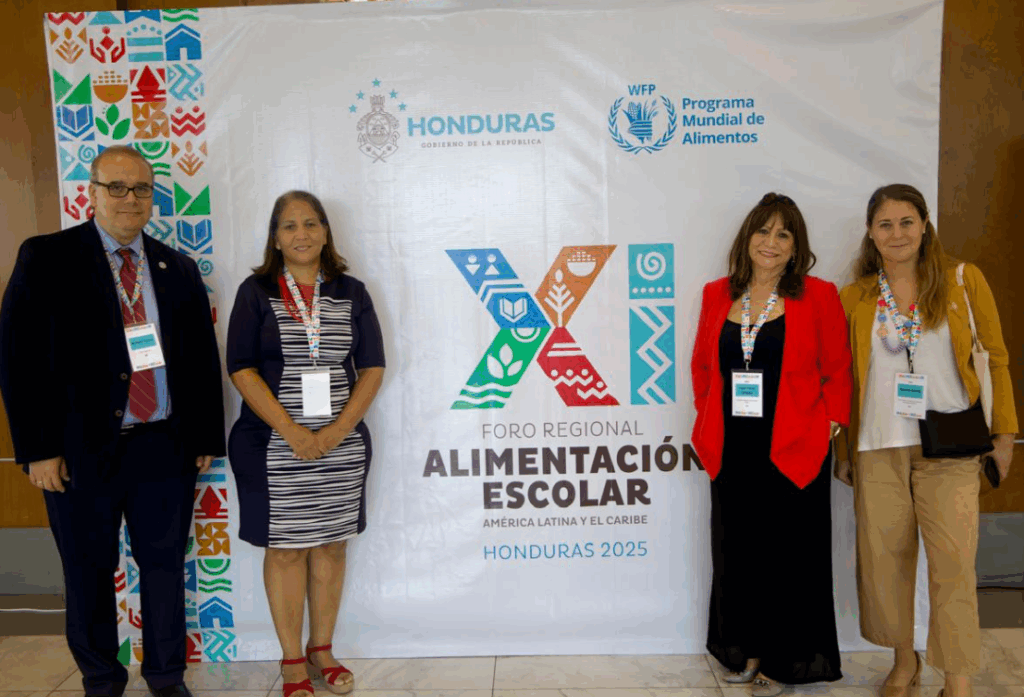
See other pictures of the event: