The programme implemented by the Government of Chile received technical assistance from the Sustainable School Feeding Network (RAES).
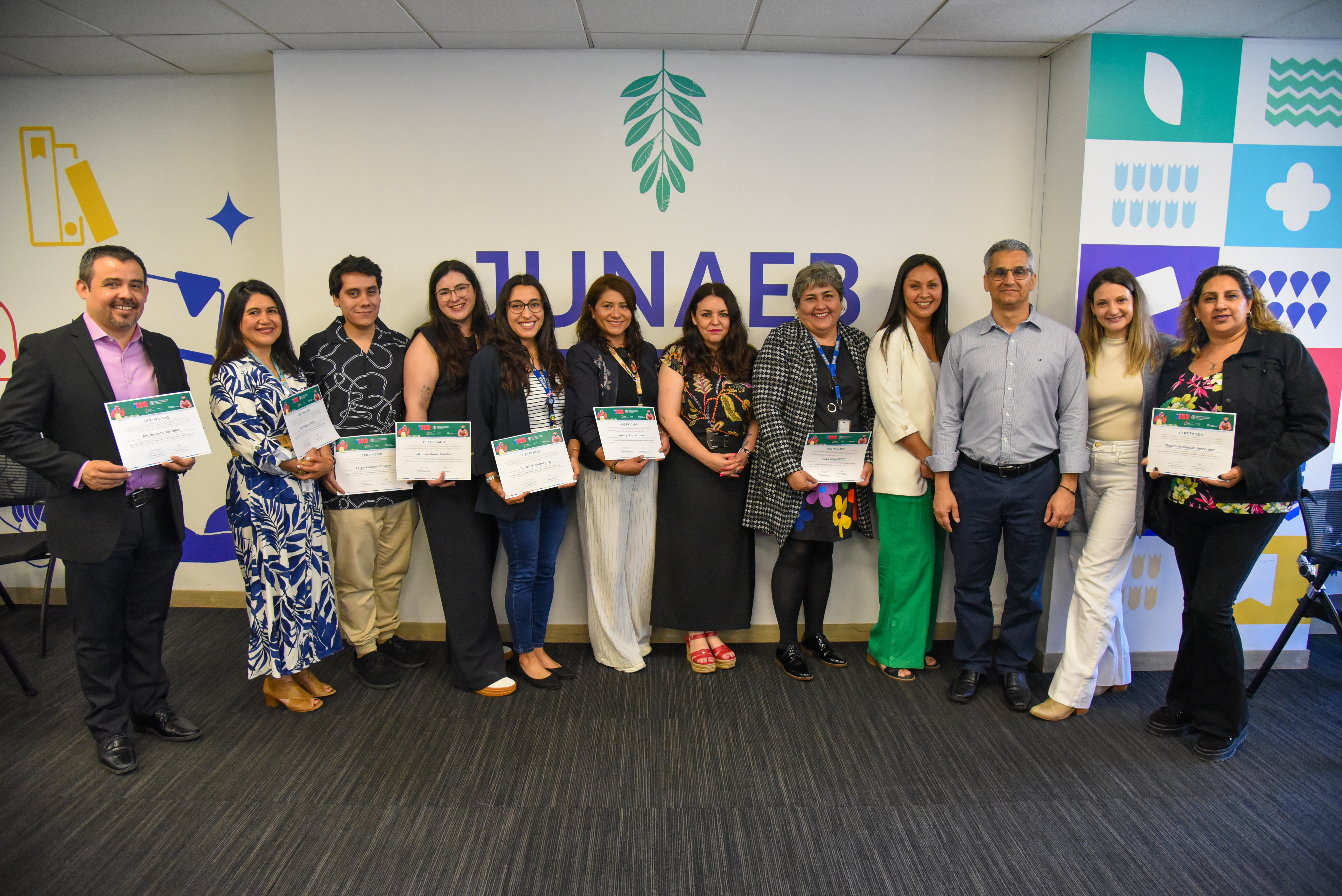
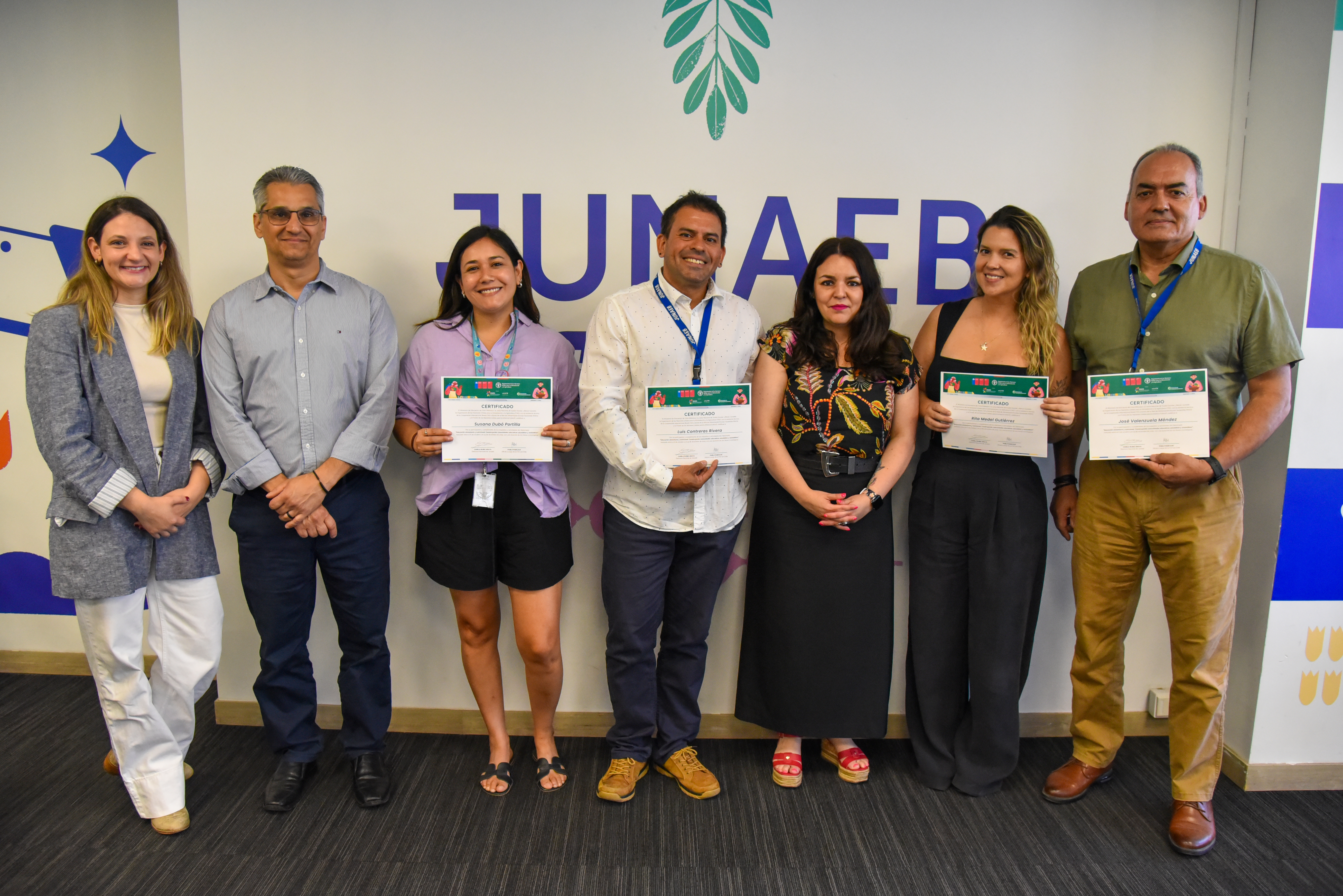
Santiago, Chile, January 7, 2026 — The Training Programme (Diplomado, in Spanish) in Food and Nutrition Education: Building Healthy and Sustainable Educational Communities concluded with a certificate-award ceremony recognizing participants’ successful completion of the course. The programme was created as part of the cooperation between National Board of School Assistance and Scholarships, the Ministry of Education and the Food and Agriculture Organization of the United Nations (FAO), and also received technical assistance from the Sustainable School Feeding Network (RAES) and the United Nations Children’s Fund (UNICEF).
The initiative began in October 2025 and was aimed at staff responsible for the school feeding programme (SFP) in schools across the country. Its objective was to strengthen the capacities of those performing these roles. Delivered online and comprising 100 pedagogical hours, the programme explored topics such as food sustainability, school gardens and nutrition education, while integrating cross-cutting themes including inclusion, pedagogical leadership and environmental awareness.
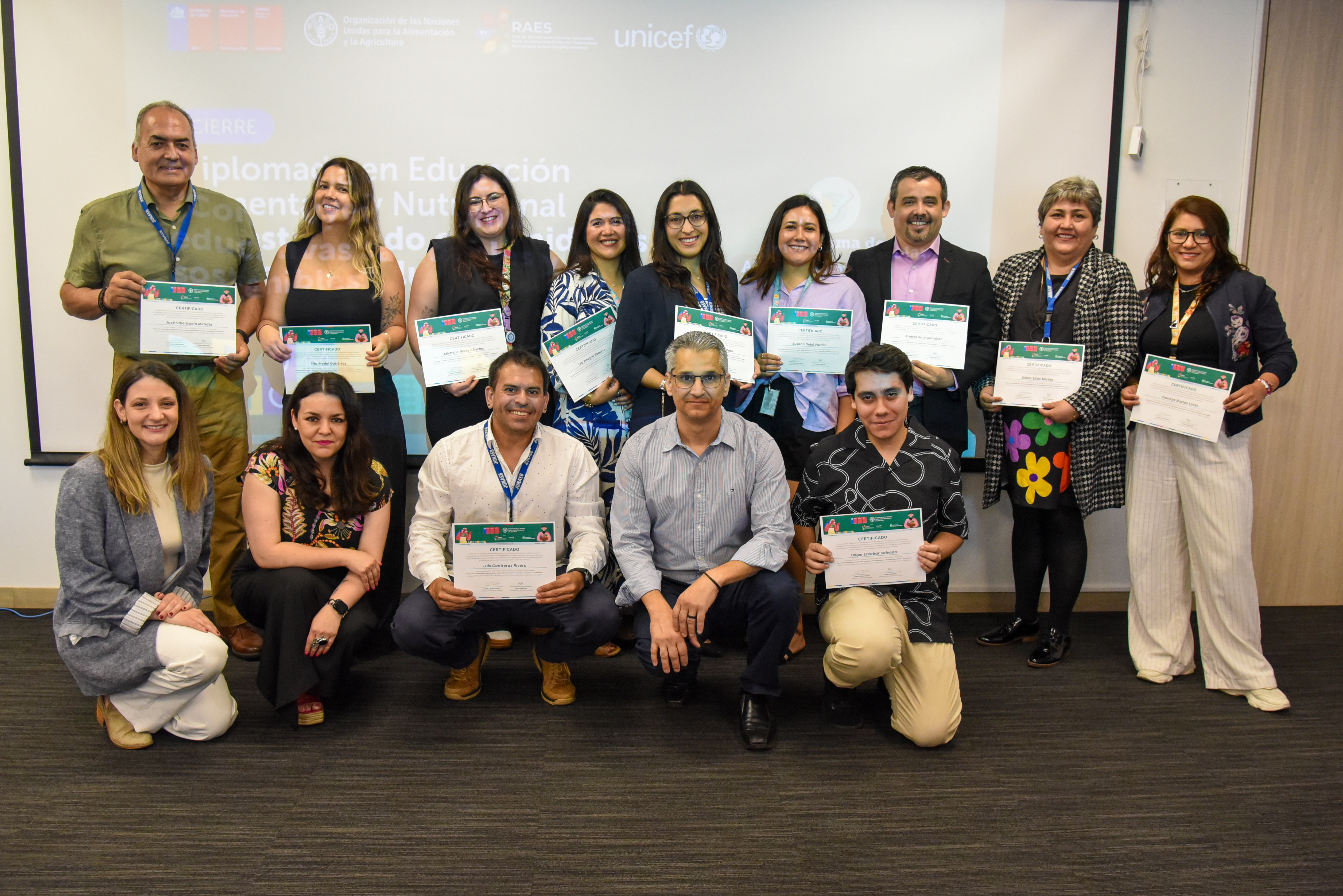
More than 230 people — including SFP coordinators and Junaeb staff — participated as students in the programme. Professionals from the Student Food Department delivered classes and assessed each of the assignments produced by participants throughout the course.
Junaeb’s National Director, Camila Rubio Araya, highlighted the efforts of both the instructors and the students who took part in the programme. She also noted that “completing this programme fills us with satisfaction and pride. Through it, we are moving forward in integrating food education into schools and cafeterias across the country.”
Meanwhile, FAO Food Systems Officer for Latin America and the Caribbean, Joao Intini, stated: “It is increasingly essential to understand that the capacities we develop as citizens help us better grasp the dimensions of health, education, food education and food and nutrition security, for everyone, especially for children.” Intini also emphasized the importance of school feeding as a public policy with the potential to transform agrifood systems.
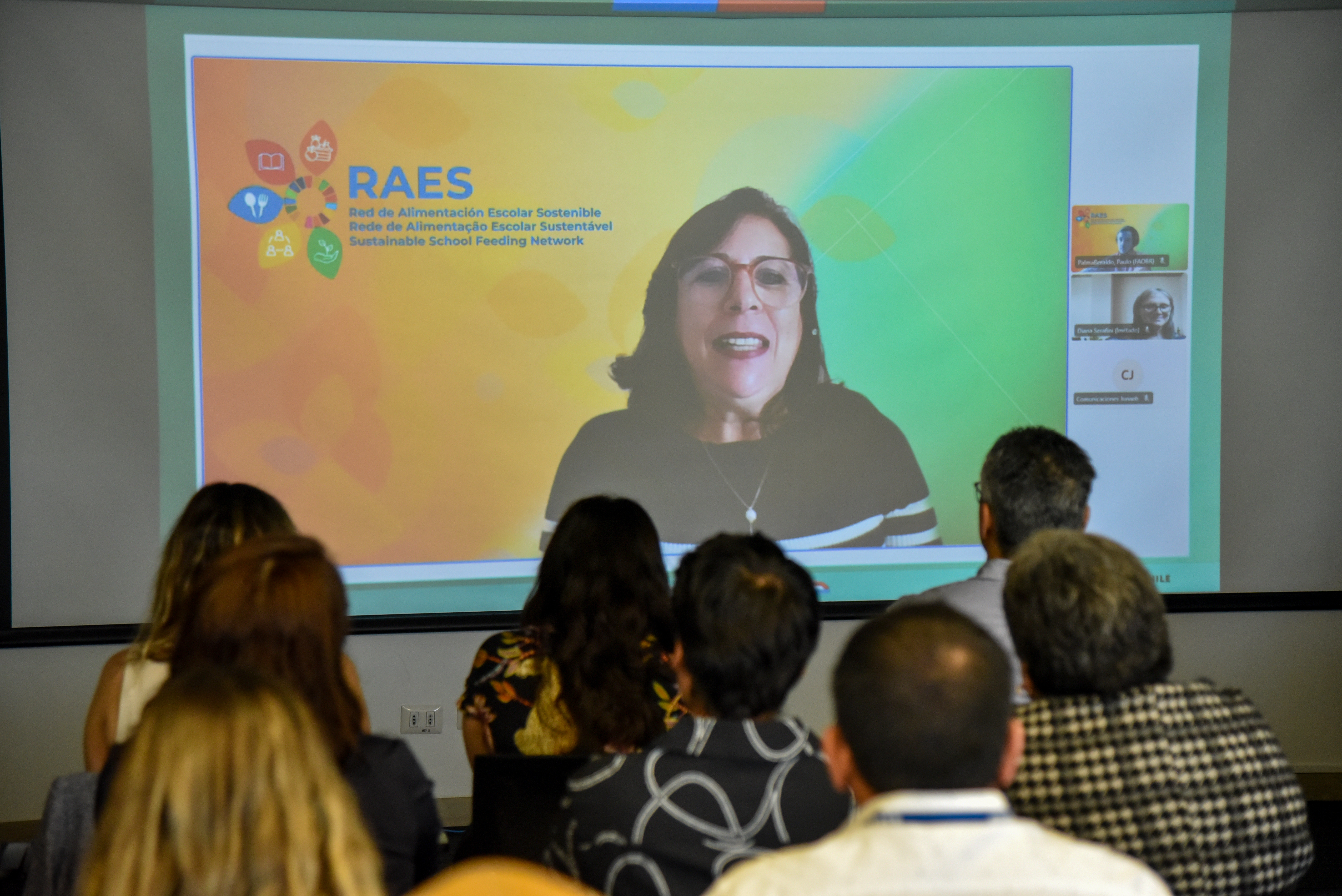
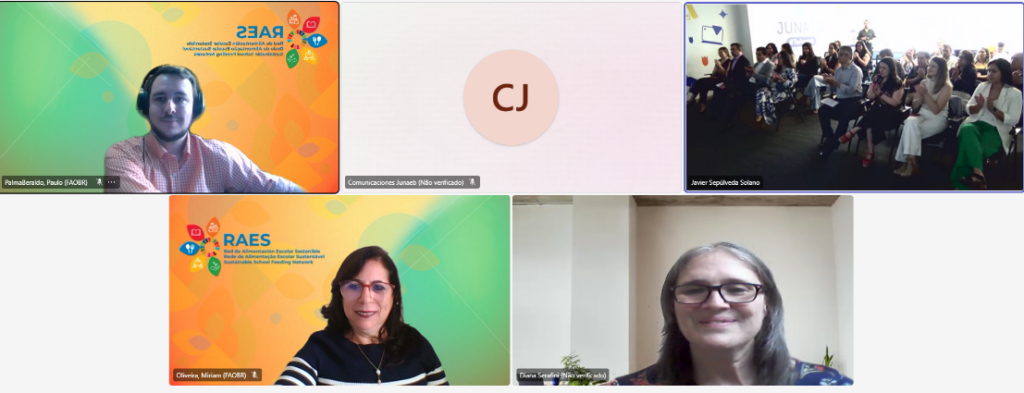
Representing the Executive Secretariat of the Sustainable School Feeding Network (RAES), Miriam Oliveira congratulated the Government of Chile and the organizing institutions on the completion of the programme.
“Since 2009, the Brazil–FAO International Cooperation in school feeding has trained more than 40,000 professionals. Initiatives such as this programme are essential to strengthening the sustainability of school feeding programmes and ensuring adequate food for students in Latin America and the Caribbean,” Oliveira emphasized.
Andrés Soto, one of the programme’s students, who also serves as general inspector of primary education at the Valentín Letelier High School in Recoleta, explained during the programme that “we were provided with concrete strategies to promote healthier, more conscious and sustainable food environments. The territorial and community-based approach is undoubtedly valued, as it recognizes the cultural diversity of our schools and families throughout the country.”
“We were invited to critically reflect on our daily practices and improve them with pedagogical purpose. Today, having completed this process, we feel prepared to support students, educational teams and communities in the challenge of healthy eating.”
Replication
Diana Serafini, coordinator of the training, explained that the initiative drew on successful experiences implemented in other Latin American and Caribbean countries in recent years, as well as on the technical expertise provided by the international organizations supporting the process, including FAO, UNICEF and RAES. She highlighted that Junaeb’s interest and commitment were key to implementing the training proposal and adapting international experiences to the Chilean context, ensuring that the programme’s design was relevant and meaningful for participants and the educational institutions where they work.
According to Serafini, the trajectory developed and the feedback received from participants across all regions of the country show that, while challenges remain, “this is a solid training proposal with replication potential, capable of strengthening learning and generating a tangible impact on the ground and on the lives of students.”
The initiative was delivered from September onwards through the Junaeb Educa platform and represented a further step in the institutionalization of the SFP, not only as a logistical service for food delivery, but as a public policy with a pedagogical, transformative dimension and a direct impact on the health and well-being of educational communities.
Content produced by Junaeb, FAO in Chile and adapted by the RAES team.