
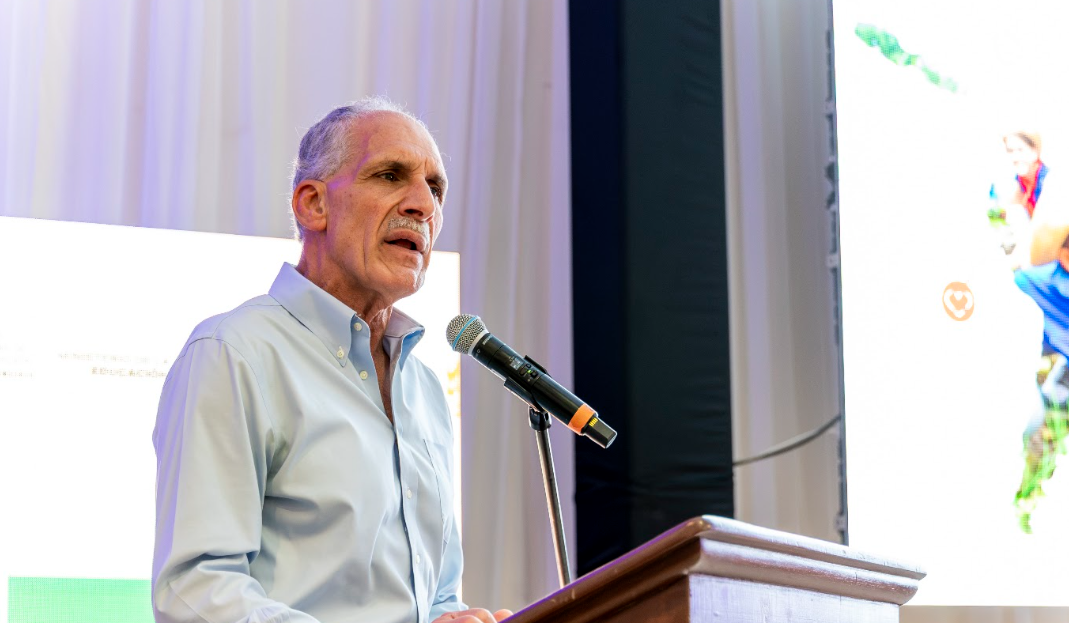
President Nasry Asfura participated in the event’s official opening ceremony; watch the video.
Comayagua, Honduras, August 31, 2026 – At the opening of the meeting of the Sustainable School Feeding Network (RAES) in Honduras on August 25, 2026, President Nasry Asfura participated in the event and highlighted the Honduran Government’s commitment to strengthening school feeding. His participation was recorded and broadcast by Honduran National Television and several local media outlets.
On the occasion, Asfura announced the strengthening of the school feeding programme and emphasized the importance of this policy. “Today we are brought together by something that is fundamental to us: the future of our children, to give them the opportunity to have better nutrition and, consequently, a better education and better development,” he said.
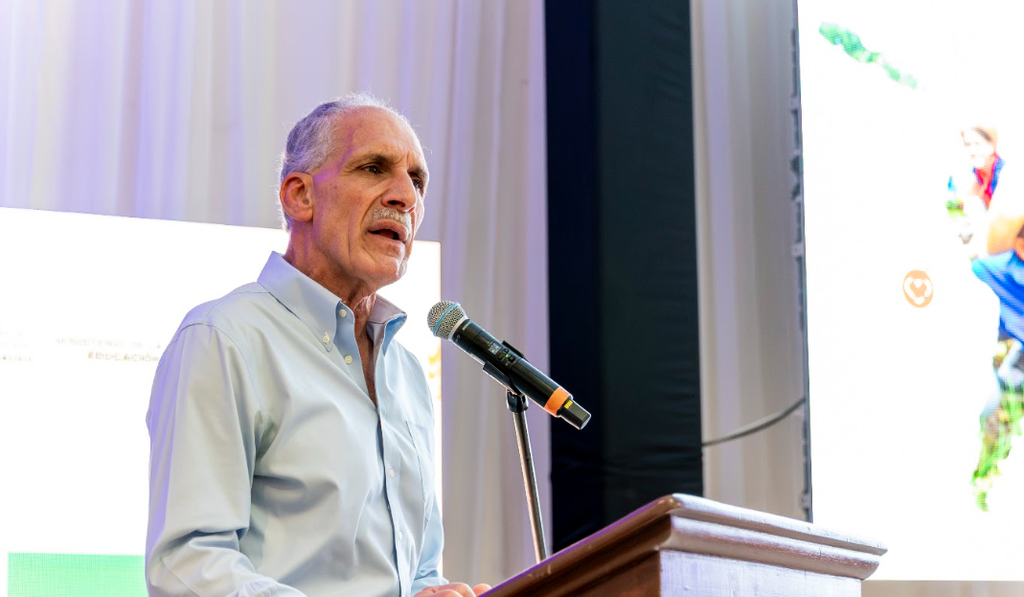
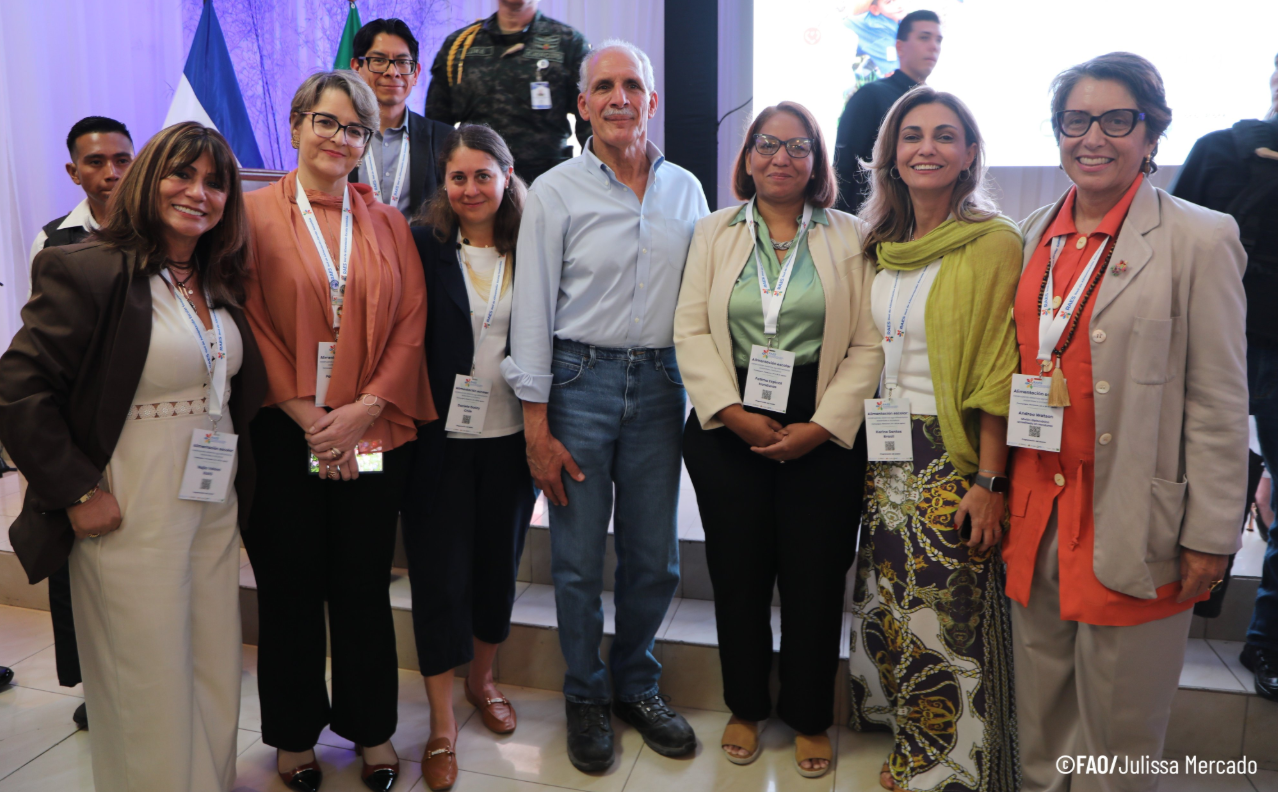
The objective of the RAES in-person meeting, entitled “School Feeding: Building Sustainable and Inclusive Agrifood Systems,” was to enable countries to advance in defining agreements and actions in line with the priorities selected by the countries in the RAES Regional School Feeding Agenda, and to develop coordinated responses to the region’s main challenges.
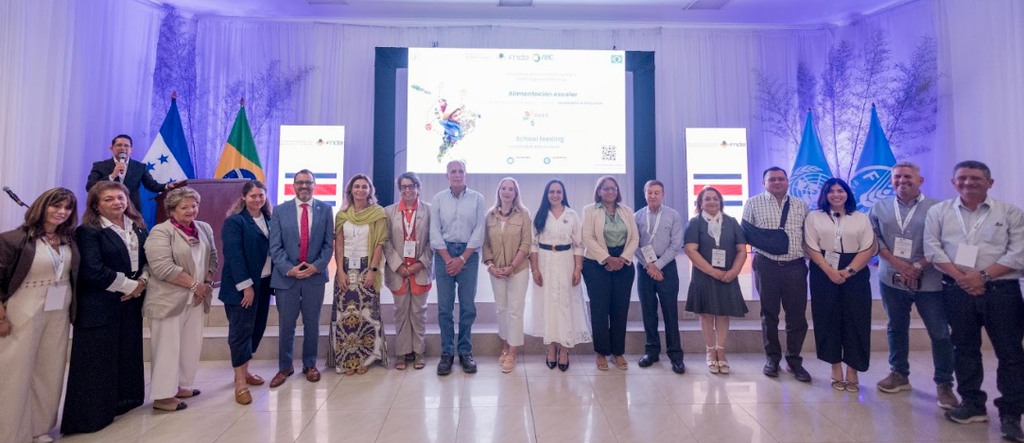
The meeting in Comayagua was jointly organized by the Food and Agriculture Organization of the United Nations (FAO) and the Government of Brazil, through the Brazilian Cooperation Agency of the Ministry of Foreign Affairs (ABC/MRE) and the National Fund for Education Development (FNDE), with the Government of Honduras as host, through the Secretariat of Social Development (SEDESOL).
Appreciation for international cooperation
Asfura expressed his appreciation for the support and backing provided by the Government of Brazil, FAO and the countries participating in RAES, and highlighted the role that international cooperation can play in improving policies aimed at children. “School feeding is not just a plate of food; it is about helping a child learn, grow up healthy and have better opportunities,” he added.
The National School Feeding Programme (PNAE) serves more than 1.215 million students in 21,580 educational institutions. At a press conference held as part of the RAES event, Asfura explained that the Government currently allocates 1.022 billion lempiras (US$38 million) to school feeding, a figure he said will be increased next year with the aim of improving the programme’s quality and coverage.
“Every year, we have to increase our efforts, become more efficient in production, delivery and in the quality we can provide to our children every day,” he said. “We want to continue improving and providing food, but we also need to strengthen our producers and their families in rural areas,” he emphasized.
“Bringing the best possible meal to our children at school is a priority. We want this meal to be produced within the community itself, so that food can be produced locally and delivered to schools, generating greater production and development in our communities.”
Fish
He also highlighted the importance of including fish in school meals as a way to diversify children’s diets while strengthening local development. “Why not include fish as well? This would help improve local production, not only in terms of aquaculture, but also the overall production of fresh food closer to the community,” he said
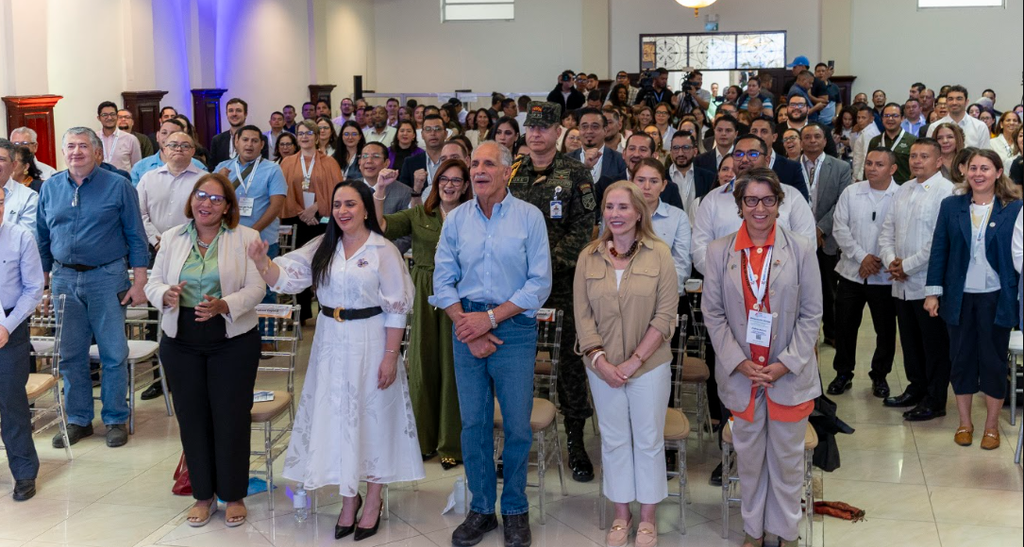
As part of the activities, the delegations learned about the experiences of three countries in incorporating fish into school feeding programmes, as part of the project “Incorporating aquatic foods from local fishers and aquaculture producers into school feeding programmes in Latin America and the Caribbean.” The initiative brings together Honduras, Belize and Bolivia to promote the incorporation of fish and fisheries and aquaculture products into school feeding programmes.
The initiative is supported by FAO’s Flexible Voluntary Contributions Instrument (FVCI) and the governments of Flanders, Norway, Qatar (Qatar Fund for Development), the Principality of Monaco and Sweden. Brazil and Chile also presented their progress, results and challenges in incorporating these foods into their school feeding programmes.