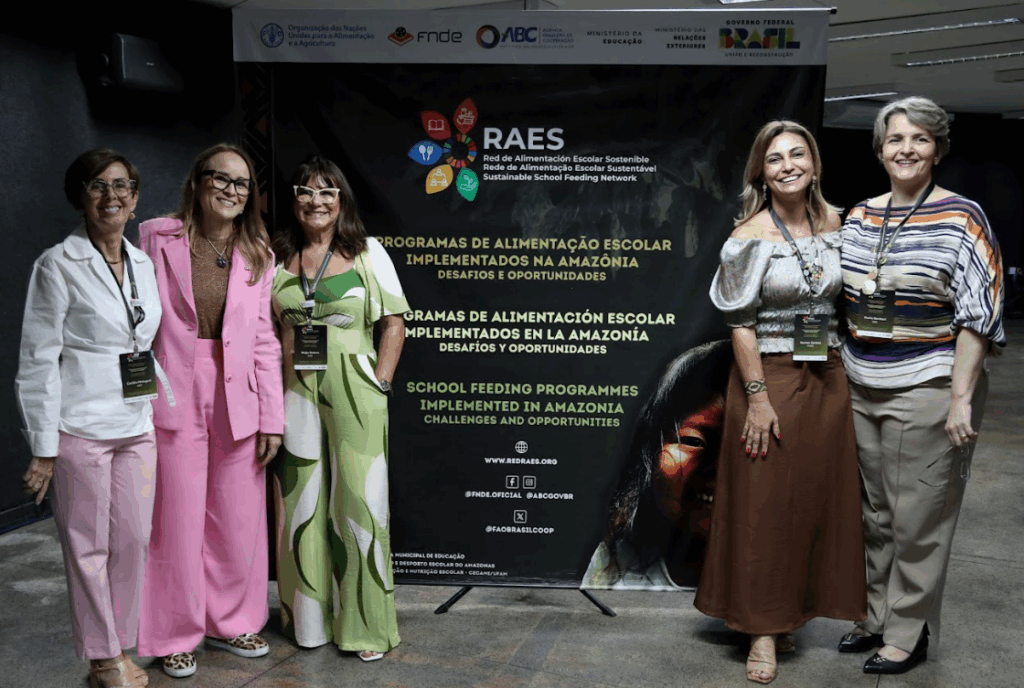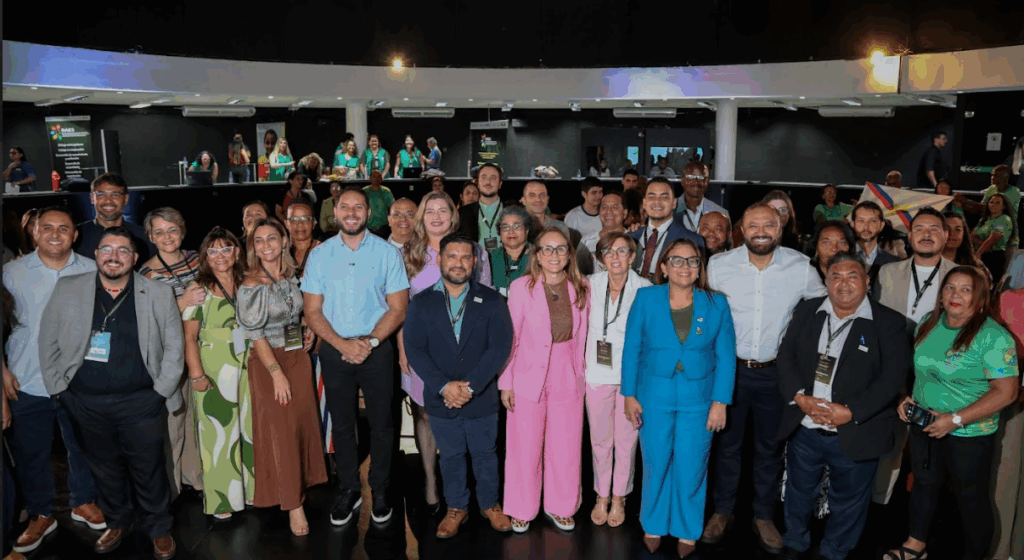
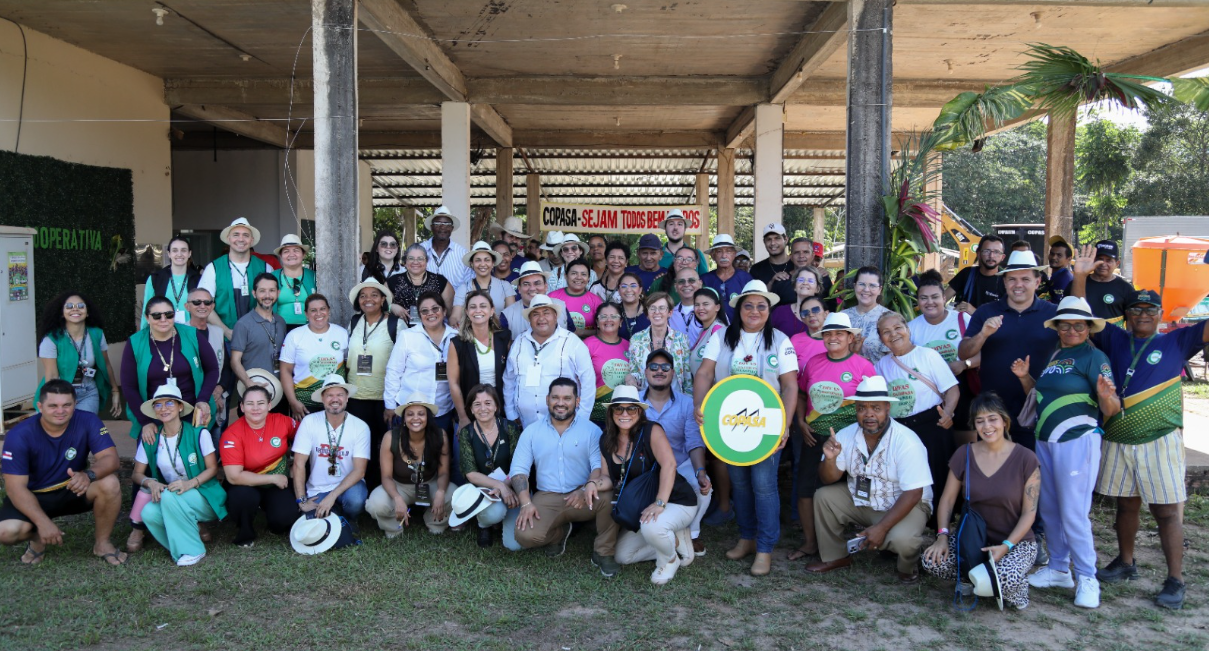
Representatives from 15 Latin American and Caribbean countries took part in an international meeting in Manaus to learn about the challenges and opportunities of school feeding programmes in the Amazon, exchange experiences, and strengthen regional cooperation; see the video of the mission below in this post.
Paulo Beraldo and Palova Brito
Pictures: Michael Dantas/FAO
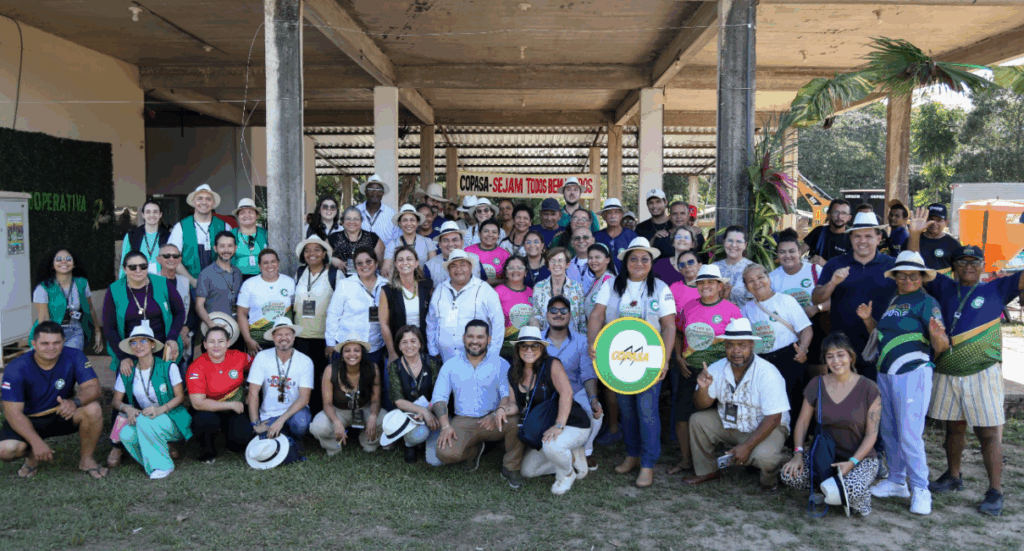
Manaus, Amazonas, Brazil, August 21, 2025 – Representatives from 15 Latin American and Caribbean countries gained deeper and more practical insight into the implementation of school feeding programmes in the Amazon during an international event held this week in Manaus. Entitled “School Feeding Programmes Implemented in the Amazon: Challenges and Opportunities,” the meeting took place from August 18 to 21.
The initiative was organized by the Brazilian Cooperation Agency of the Ministry of Foreign Affairs (ABC/MRE), together with the National Fund for Educational Development (FNDE) and the Food and Agriculture Organization of the United Nations (FAO). It was also supported by the Municipal Department of Education of Manaus City Hall (SEMED), the State Department of Education and School Sports of the Government of Amazonas (SEDUC), and the Collaborating Center for School Feeding and Nutrition of the Federal University of Amazonas (UFAM).
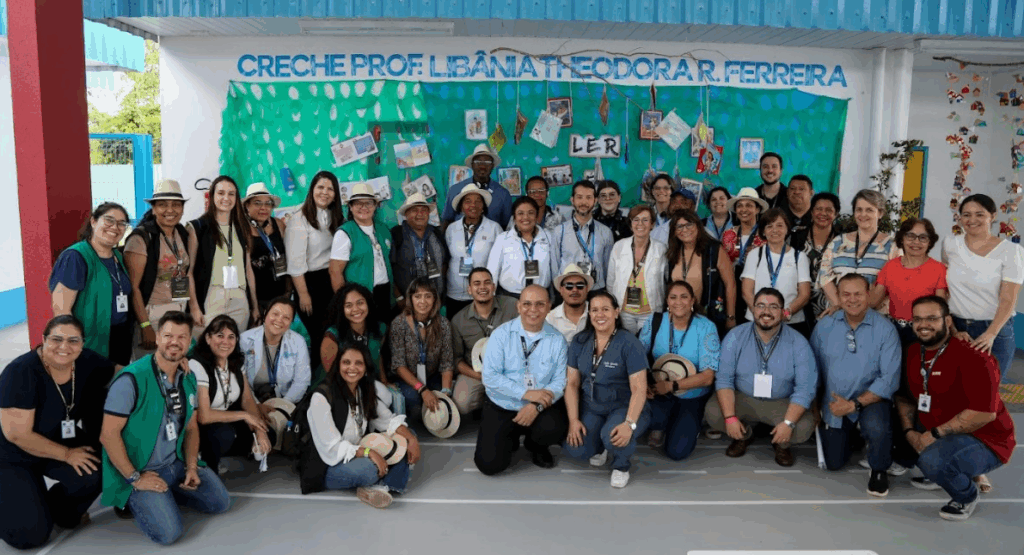
Throughout the week, international delegations visited distribution centers, schools, cooperatives, daycare centers, and farmers, and held dialogues with Indigenous communities and representatives of the school feeding programme in the municipalities of Manaus, Presidente Figueiredo, and Tonantins, in Amazonas.
The event was attended by government representatives from Belize, Brazil, Colombia, Costa Rica, Cuba, El Salvador, Ecuador, Guatemala, Honduras, Paraguay, the Dominican Republic, Saint Kitts and Nevis, Saint Lucia, Suriname, and Uruguay, all member countries of the Sustainable School Feeding Network (RAES). This network was created by the Government of Brazil in 2018, with FAO’s support, to strengthen and consolidate school feeding programmes in Latin America and the Caribbean.
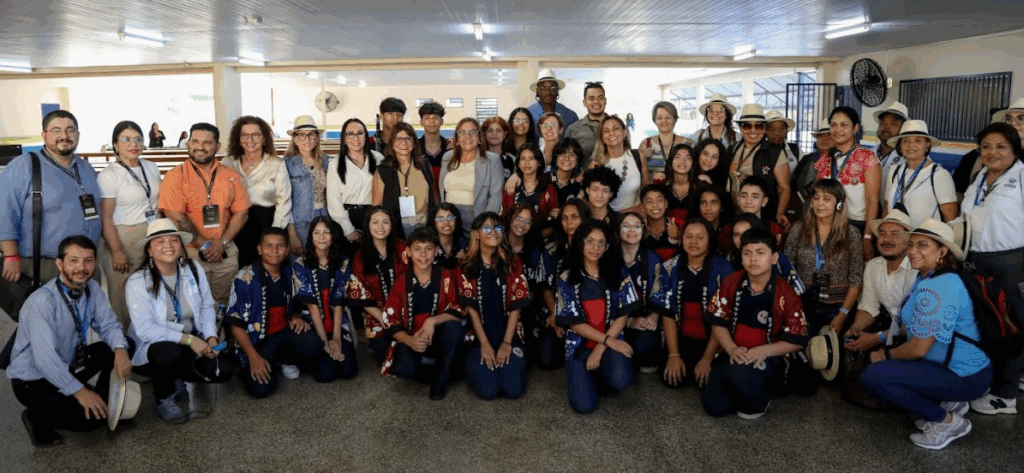
Máximo Torero, FAO Chief Economist and Acting Regional Representative for Latin America and the Caribbean, emphasized that school feeding policies, which link direct purchases from producers, represent a key opportunity to guarantee the right to adequate food, promote healthy food environments, and drive local territorial development by strengthening livelihoods through public procurement.
In her remarks, FNDE President Fernanda Pacobahyba highlighted the importance of initiatives like this, as they enable immersion in Brazil’s diverse realities and regions. “By promoting the inclusion of Indigenous and traditional communities in the school feeding production chain, the National School Feeding Programme (PNAE) in the Amazon shows that it is possible to reconcile food security, cultural respect, and the local economy. This meeting created space for essential exchanges and turns this experience into an inspiration for other regions facing similar challenges,” she said.
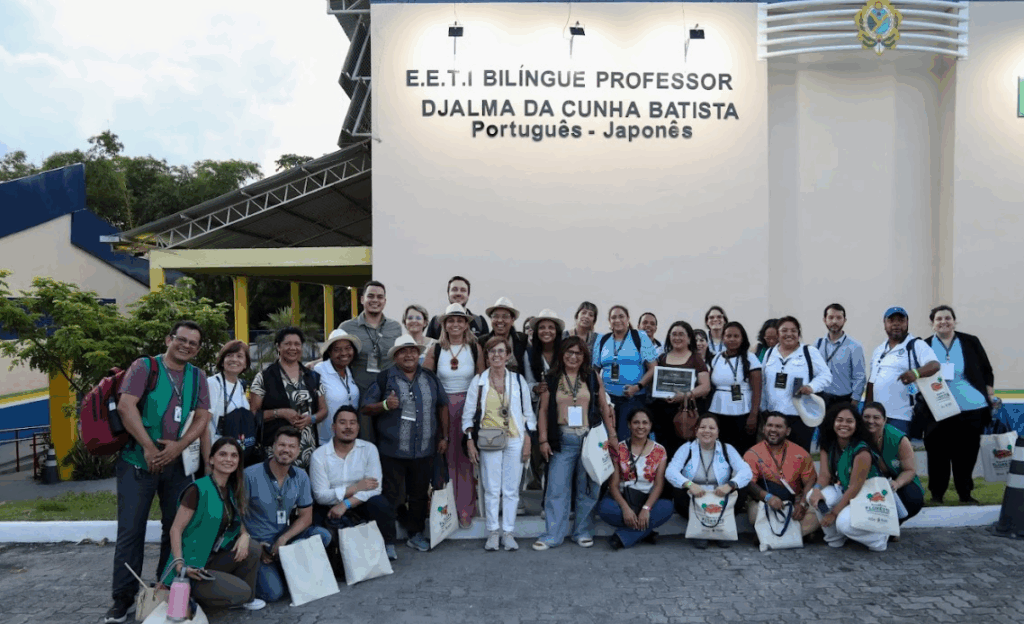
One of the highlights of the event was the public procurement initiative involving traditional communities, mentioned in the presentation by prosecutor Fernando Soave, representative of the Commission of Traditional Foods of Peoples in Amazonas (Catrapoa), an initiative created and coordinated by the Federal Public Ministry (MPF). In his address, he detailed the process of acquiring products from smallholder farmers, including Indigenous peoples, to supply public schools. This action improves nutritional quality, respects local culture and eating habits, and increases producers’ income, while stimulating the economy sustainably in vulnerable regions. The initiative reaches more than 100 communities across over 30 municipalities in the state of Amazonas.
Cecilia Malaguti, head of South-South trilateral cooperation with international organizations at ABC/MRE, stated that the exchange of experiences allowed visitors to closely learn about school feeding programmes in northern Brazil and their specificities. “Moreover, on the final day of the meeting, countries continued building together the regional agenda on sustainable school feeding, which is so strategic for the region,” she said.
The State Secretary of Education of Amazonas, Arlete Mendonça, reaffirmed the local government’s commitment to ensuring that school feeding reaches all students in the state, which has 62 municipalities, 380,000 students, and a territorial extension larger than many countries. “We are motivated to share our experiences at events like this since it is necessary to discuss and understand Amazonian particularities and our daily challenges in ensuring quality school feeding across our entire education network,” she said.
Júnior Mar, Municipal Secretary of Education of Manaus, stated that school feeding should be seen as an essential part of the learning process, with nearly 250,000 students in the municipal network, making it one of the largest in Brazil. “It is with quality food, prepared responsibly and with respect for our children, that we ensure more attention in the classroom, more health, and more dignity. With federal government support, we are increasing investments, valuing local suppliers, and strengthening the role of schools as spaces of care and development. Feeding well is educating with excellence.” The mayor of Manaus, David Almeida, was also present in some parts of the mission, like a visit to a daycare center.
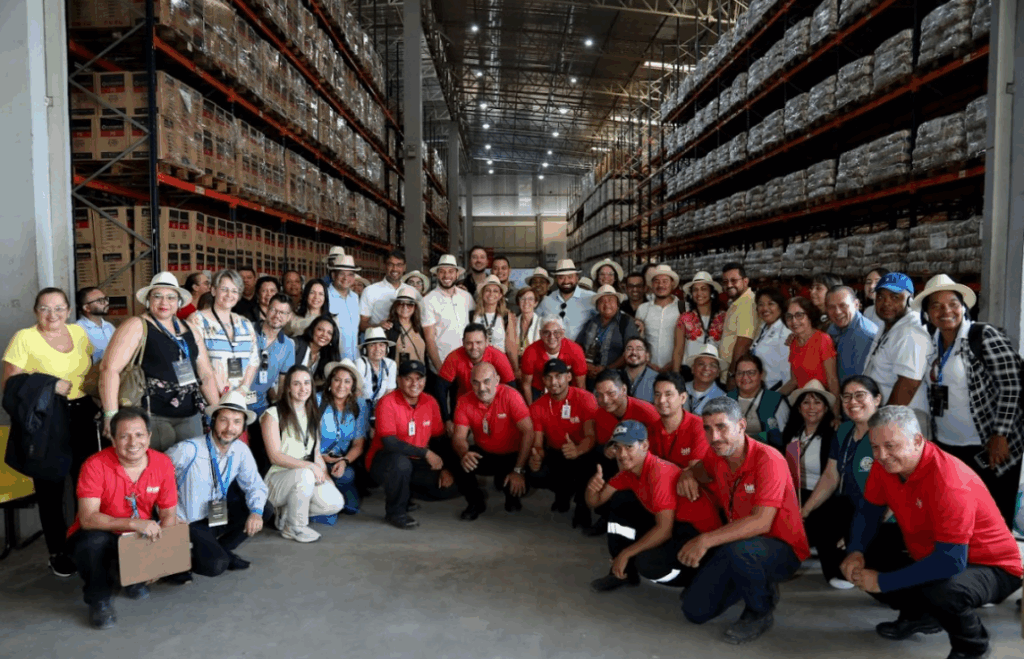
Tanara Lauschner, Rector of UFAM and present at the opening panel, noted that it was important to contribute to the exchange of knowledge and experiences on the technical assistance offered by the Collaborating Center for School Feeding and Nutrition (CECANE). “CECANE’s work has been essential for promoting food and nutrition security in the region, and during the technical mission in Brazil we presented its strategy to support PNAE. This is a source of pride for UFAM, as we know we are also contributing to strengthening school feeding programmes in Latin America and the Caribbean.”
Najla Veloso, Executive Secretary of the RAES Network and FAO school feeding specialist, stated that, based on her 16 years of experience in the region with in-person and field activities like this one in Manaus — whether in Brazil or other countries — “managers engage in deeper dialogues about a given reality, broaden their medium and long-term vision of the programme, and have more elements to make decisions with greater confidence and effectiveness in their countries.”
International cooperation
Since 2009, the Government of Brazil, through ABC and FNDE, and FAO have worked together in the region to enhance the implementation of good practices and experiences in school feeding programmes through the Brazil–FAO International Cooperation Program, drawing on the accumulated experience of PNAE, which directly serves nearly 40 million students per day, in partnership with Brazil’s 27 states and 5,570 municipalities.