Almost half of school feeding purchases (45%) must now be made directly from farmers, settlements, and traditional communities, with priority given to formal and informal women’s groups.
Brasilia, Brazil, October 3, 2025 – The Law No. 15,226/2025, sanctioned by the President of the Republic of Brazil, Luiz Inácio Lula da Silva, increases the minimum percentage of resources from the Brazilian National School Feeding Program (PNAE) to be allocated to the direct purchase of food products from family farming and family-run rural enterprises. The new regulation raises the threshold from 30% to 45% starting January 1, 2026. The measure was published in the Official Gazette of the Union on October 1 and amends Law No. 11,947/2009.
The Minister of Education of Brazil, Camilo Santana, reinforced the PNAE as a network that guarantees food security and combats hunger. “The PNAE is a fundamental pillar for ensuring food and nutrition security, based on the use of healthy and adequate food, which includes varied and safe products, while respecting local culture and traditions. We are further expanding this network of local economies and family farming across the country.”
Coordinated by the National Fund for Educational Development (FNDE), an agency linked to the Ministry of Education (MEC), the PNAE celebrates 70 years as one of the largest public policies for school food and nutrition in the world, serving nearly 40 million public school students in basic education every day.
With an annual budget of R$ 5.5 billion, the program provides supplementary funds for the purchase of food that reaches students’ plates in every region of the country. Under the new rule, approximately 45% of that amount will be directed to family farming, representing an increase of more than R$ 2.4 billion to strengthen local communities and promote sustainable development.
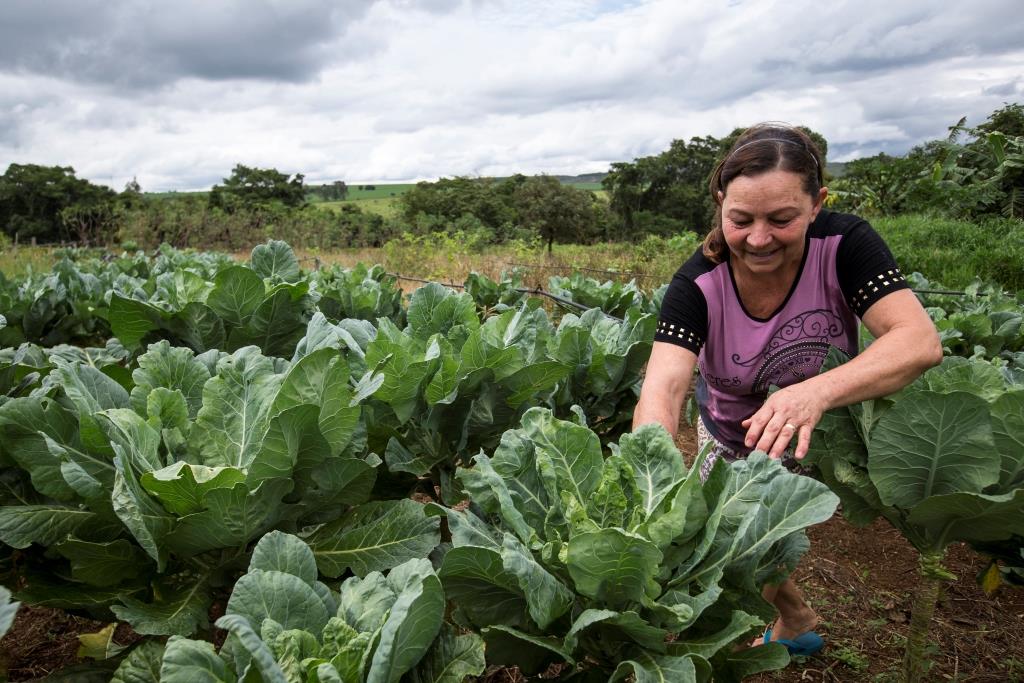
The reform reinforces the role of the PNAE in offering healthy and adequate meals, respecting cultural diversity and local dietary habits, while also encouraging sustainable production practices. The text also prioritizes foods originating from agrarian reform settlements, Indigenous communities, quilombola communities, and formal and informal women’s groups.
The President of FNDE, Fernanda Pacobahyba, highlighted the importance of the measure. “We cannot talk about education without talking about quality food. This achievement means more sustainability, more respect for cultural diversity, and better health for millions of Brazilian students. Everything that improves the PNAE is good for the country and for the future of education,” she stated.
In addition to raising the percentage, the law requires that food products purchased under the program must, at the time of delivery, have a shelf life equal to or greater than half the period between the manufacturing date and the expiration date. The exception applies to products from family farming, which are generally delivered fresh.
Another innovation is the expansion of the responsibilities of the School Feeding Councils (CAE), which will now also be responsible for ensuring the variety of purchased food, guaranteeing quality, diversity, and compliance with shelf life requirements. With the new law, the PNAE further strengthens its contribution to students’ food and nutrition security and to the country’s social and economic development, consolidating its position as a global reference in public school feeding policies.