Announced on the date when the world celebrates awareness of the topic, the measure foresees actions at all stages of food production, distribution, and consumption.
Brasília, Brazil, September 29, 2025 – This Monday, September 29, on the date that marks the International Day of Awareness of Food Loss and Waste, the Government of Brazil, through the Ministry of Social Development and Assistance, Family and Fight against Hunger, approved the 2nd Intersectoral Strategy for the Reduction of Food Loss and Waste in Brazil. The drafting process took place within the scope of the Interministerial Chamber of Food and Nutrition Security (CAISAN), with the participation of managers from various ministries, specialists, and representatives from civil society and the private sector.
The Strategy is part of the National Policy for Food and Nutrition Security (PNSAN) and aims to reduce food loss and waste from production to consumption, contributing to the guarantee of the human right to adequate and healthy food.
The initiative is aligned with the target of the United Nations Sustainable Development Goal 12.3 (SDG), which foresees, by 2030, halving per capita global food waste at retail and consumer levels, and reducing food losses along production and supply chains, including post-harvest losses.
According to figures released in March 2024 by the United Nations Environment Programme (UNEP), 1.05 billion tons of food were wasted worldwide in 2022, equivalent to 132 kg per person and nearly one-fifth of the food available for consumption.
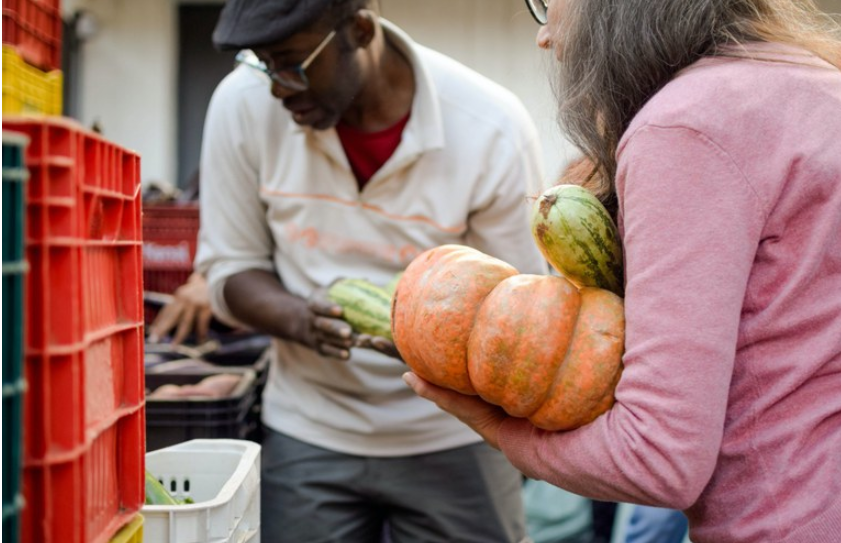
According to the Food and Agriculture Organization of the United Nations (FAO), food losses in post-harvest, transport, storage, wholesale, and processing are estimated at 13.2% worldwide. The survey also reports that 60% of food waste occurs in households, followed by food services (28%) and retail (12%).
The Minister of Social Development and Assistance, Family and Fight against Hunger, Wellington Dias, stated that ensuring the reduction of food waste is also a way to combat hunger. “Our strategy is that, in each supply center, in each distribution center, in transport, in production, no matter the quantity, no food should be wasted. By doing so, we can contribute to fighting hunger, ensuring food security, and combating malnutrition. This is the path that Brazil will follow,” emphasized the head of the MDS.
Next steps
National coordination will take place within the scope of the Interministerial Chamber of Food and Nutrition Security (CAISAN), which will also establish the Management Committee of the Intersectoral Strategy for the Reduction of Food Loss and Waste in Brazil. The committee will be responsible for coordinating, following up, and monitoring the strategy.
CAISAN has prepared an action plan composed of defined goals, actions, and responsibilities, and its implementation will take place within the budgetary allocations of the competent ministries, subject to financial availability.
The Secretary of Food and Nutrition Security of the MDS, Lilian Rahal, highlighted that the initiative comes at a strategic moment, on the eve of COP30, presenting another instrument from Brazil to promote healthy and sustainable food systems. “As an integral part of the National Policy for Food and Nutrition Security, this set of regulations will undoubtedly contribute to ensuring the human right to adequate and healthy food and to promoting environmental sustainability,” stated Secretary Lilian.
Content produced by the Ministry of Social Development of Brazil