With the support of the Government of Brazil and the Food and Agriculture Organization of the United Nations (FAO), member countries of the Sustainable School Feeding Network (RAES) exchanged experiences and advanced joint actions to expand coverage, improve quality and consolidate a regional school feeding agenda.
Comayagua, Honduras, 27 August 2026 – Expanding the coverage of school feeding programmes, improving the nutritional quality of the food provided, strengthening infrastructure and consolidating regulatory frameworks that ensure school feeding as a permanent State policy are among the main challenges faced by countries in Latin America and the Caribbean in advancing access to and consumption of healthy diets and guaranteeing the right to food. Currently, school feeding programmes reach 80 million students across the region.
To advance a cooperation agenda and strengthen school feeding programmes, representatives from 17 of the 18 RAES member countries — including government authorities, experts and school feeding programme managers — met in Comayagua, Honduras, to exchange experiences, analyse common challenges and define joint actions for 2027.
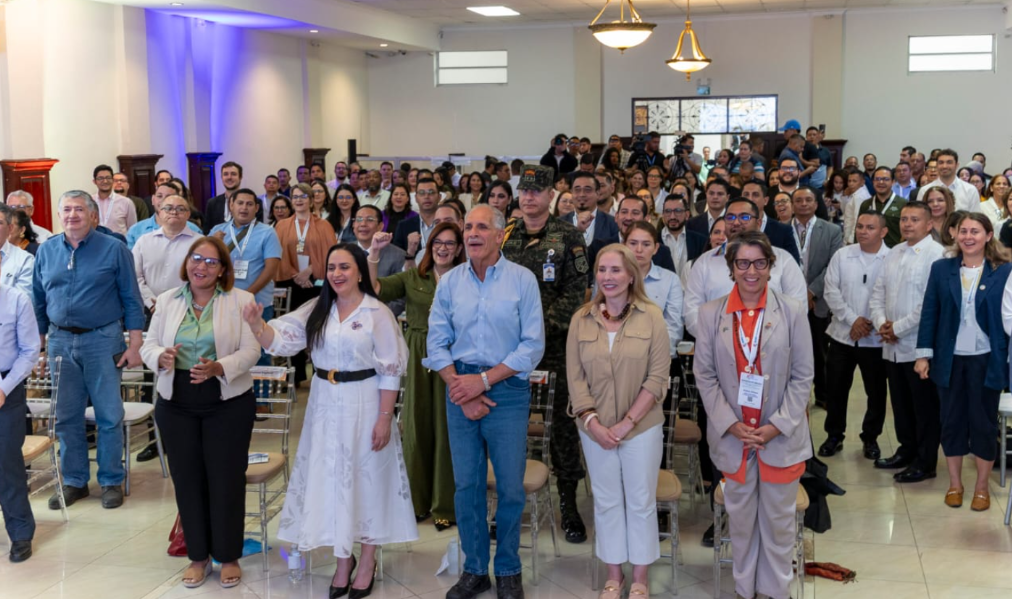
The in-person meeting of the Sustainable School Feeding Network (RAES), entitled “School feeding: building sustainable and inclusive agrifood systems,” aimed to support countries in defining agreements and actions aligned with the priorities established in the RAES Regional School Feeding Agenda, while also developing coordinated responses to the region’s main challenges.
The RAES meeting was jointly organized by FAO and the Government of Brazil, through the Brazilian Cooperation Agency of the Ministry of Foreign Affairs (ABC/MRE) and the National Fund for Educational Development (FNDE), with the Government of Honduras serving as host through the Secretariat of Social Development (SEDESOL).
The opening of the meeting was attended by the President of Honduras, Nasry Asfura, who reaffirmed the country’s commitment to strengthening school feeding as a strategic policy for the well-being of students and local development. “School feeding is not just a plate of food. It is about helping a child learn, grow healthy and have better opportunities.”
Honduras: commitment to school feeding
Honduras’ School Feeding Programme provides meals daily to 1.215 million students in more than 21,000 educational centres. In an interview conducted as part of the RAES meeting, Asfura explained that the Government allocates 1.022 billion lempiras (US$38 million) to school feeding, an amount that, according to him, will be increased next year to improve the quality and coverage of the programme. He also highlighted the Government’s efforts to integrate family and local farmers into the process so that they can supply fresh food and, in turn, generate production and development in rural communities.
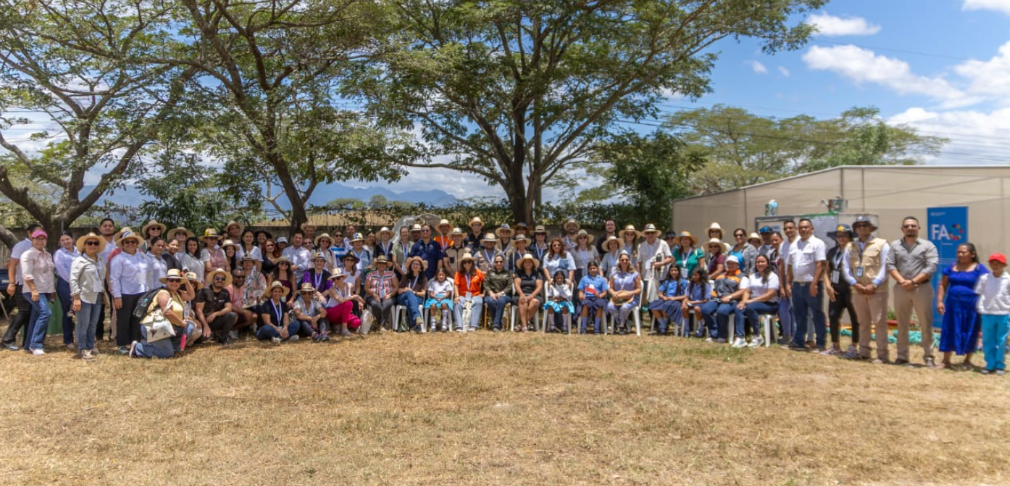
The international delegation also learned about the experience of Lamaní, in Comayagua, in implementing its school feeding programme through dialogue with authorities and managers from different educational centres during a visit to the Herminio Velásquez Basic Education Centre.
The delegations engaged with local stakeholders, students, teachers, and parents, and learned about experiences and practices such as educational school gardens. In addition to providing fruits and vegetables for the school, these gardens are an important tool for environmental education and food and nutrition education, with the potential to generate lessons for other countries in the region. The delegations also observed agricultural technological innovations driven by youth empowerment and tasted local school meals.
The meeting also highlighted two topics currently under discussion at the global level: the International Year of the Woman Farmer and the inclusion of fish in school feeding programmes. Representing the Government of Brazil, the country’s Ambassador to Honduras, Andrea Watson, highlighted the importance of public policies to combat hunger, particularly school feeding programmes. Karine Santos, General Coordinator of Brazil’s National School Feeding Programme, implemented by FNDE, said that RAES has consolidated its role as a platform for strengthening school feeding at the regional level.
FAO Assistant Director-General and Regional Representative for Latin America and the Caribbean, Rene Orellana Halkyer, highlighted that the Organization supports countries in the region in strengthening their school feeding programmes through technical assistance, evidence generation and capacity development. “This meeting is an opportunity to advance this agenda, exchange experiences and strengthen policies that respond to the needs of each country.”
With FAO serving as its Executive Secretariat, RAES was created in 2018 by the Government of Brazil to promote the exchange of knowledge, experiences and good practices among countries in the region. The Network currently has 18 member countries: Belize, Brazil, Bolivia, Chile, Colombia, Costa Rica, Cuba, El Salvador, Ecuador, Honduras, Guatemala, Paraguay, Peru, the Dominican Republic, Saint Lucia, Saint Kitts and Nevis, Suriname and Uruguay.
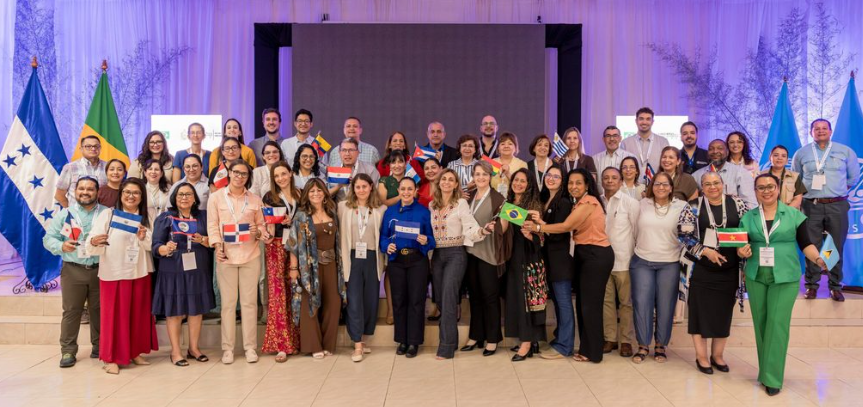
The meeting also brought together several international organizations and entities, including the Global Alliance Against Hunger and Poverty, the Rockefeller Foundation, the Research Consortium for School Health and Nutrition, the World Food Programme (WFP), the United Nations Children’s Fund (UNICEF), and the Latin America and Caribbean Observatory on the Human Right to Adequate Food (ODA-ALC).
As part of the activities, the delegations learned about the experiences of three countries in incorporating fish into school feeding programmes, as part of the project “Incorporating aquatic foods from local fishers and aquaculture producers into school feeding programmes in Latin America and the Caribbean.” The initiative brings together Honduras, Belize and Bolivia to promote the incorporation of fish and fisheries and aquaculture products into school feeding programmes.
The initiative is supported by FAO’s Flexible Voluntary Contributions Instrument (FVCI) and the governments of Flanders, Norway, Qatar (Qatar Fund for Development), the Principality of Monaco and Sweden. Brazil and Chile also presented their progress, results and challenges in incorporating these foods into their school feeding programmes.
The RAES Meeting held in Honduras demonstrated that transforming school feeding programmes requires political leadership, institutional commitment and the active participation of educational communities. At the same time, it confirmed the strategic value of South-South and triangular cooperation promoted by the Government of Brazil, as well as FAO’s technical support, as catalysts for knowledge exchange, innovation and the development of more sustainable, inclusive and resilient school feeding systems in Latin America and the Caribbean.