The visit showcased work on healthy eating, nutrition education and environmental care; the project is supported by RAES and Brazil-FAO South-South Cooperation.
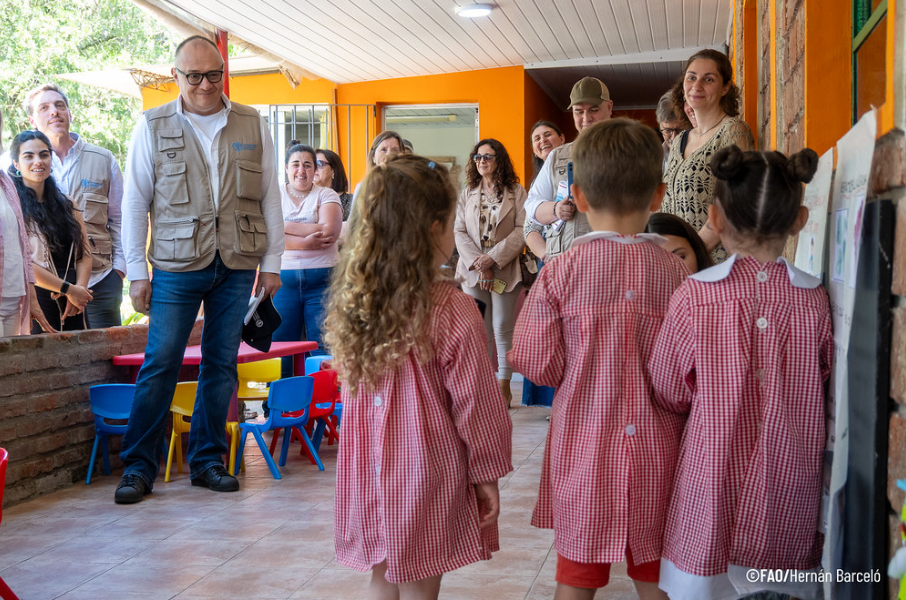
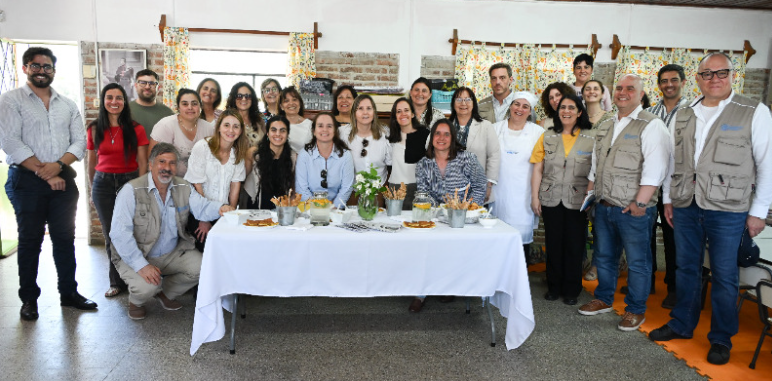
Montevideo, Uruguay, 22 November 2026 – On 18 November, Rural Kindergarten No. 237 “Enriqueta Compte y Riqué”, located in Los Cerrillos, Canelones, Uruguay, welcomed a delegation from the Food and Agriculture Organization of the United Nations (FAO), together with authorities from the School Feeding Programme (PAE) of the General Directorate of Early Childhood and Primary Education (DGEIP).
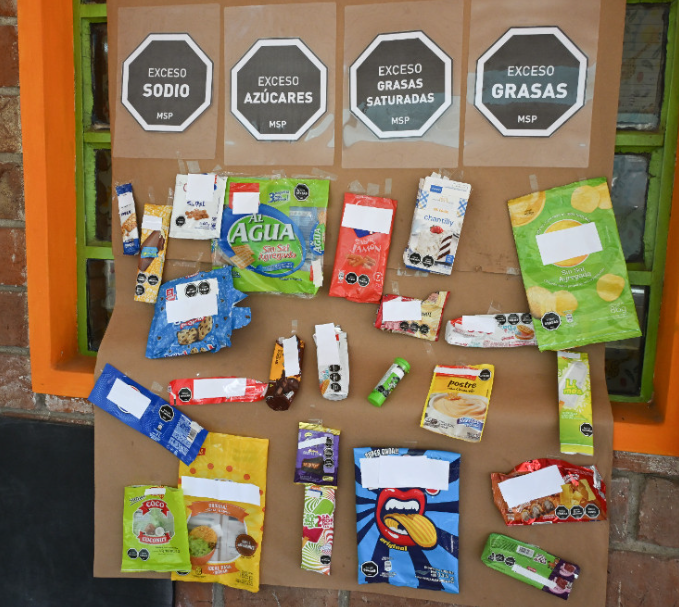
The visit provided an opportunity to showcase the work carried out by the educational community and the PAE on healthy eating, nutrition education and environmental care, within the framework of a project that promotes the participation of children and families. The purpose of the visit was to gain first-hand insight into the work being carried out at the centre in the area of school feeding, as part of the Sustainable Schools project, which has the support of the Sustainable School Feeding Network (RAES) and the Brazil-FAO South-South Cooperation.
The initiative, developed through cooperation with FAO and RAES, together with the PAE, seeks to strengthen school feeding, nutrition education and sustainable development in educational centres. RAES is a trilateral South-South Cooperation initiative on school feeding promoted by the Government of Brazil, through the Brazilian Cooperation Agencyof the Ministry of Foreign Affairs (ABC/MRE) and the National Fund for Educational Development (FNDE/MEC), together with the member countries of the region, with FAO serving as its executive secretariat.
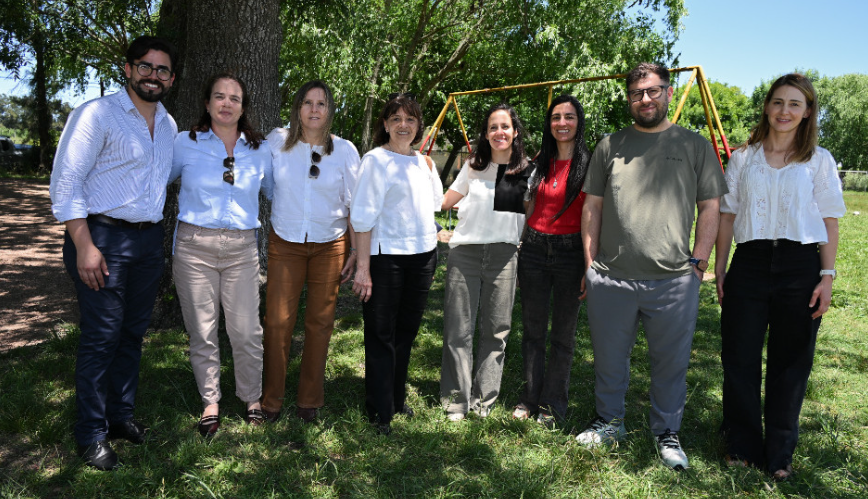
The kindergarten has 46 pupils aged 3, 4 and 5, from Los Cerrillos and nearby localities such as Las Brujas and Las Piedras. The teaching team works daily to promote healthy habits and involve families in learning about food and its benefits. The activity was attended by Codicen Councillor Elbia Pereira; DGEIP PAE Director Ana Novo, together with programme nutritionists and Nicolás Guedes, Deputy PAE Director. Canelones Oeste inspectors Claudia Céspedes and Marianela Acosta also participated.
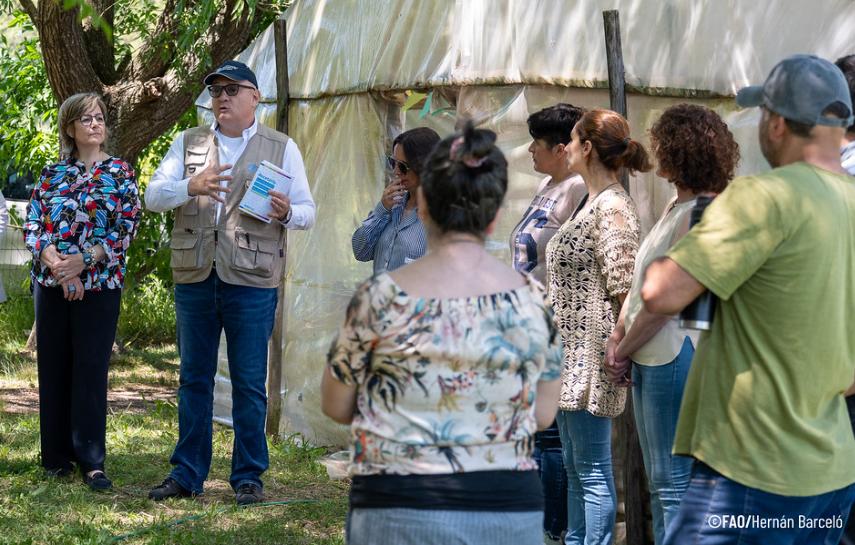
The FAO delegation included René Orellana Halkyer, Assistant Director-General and Regional Representative for Latin America and the Caribbean; Gonzalo Kmaid, Officer-in-Charge and Assistant Programme Representative; Juan Pablo Albornoz, Specialist in Strategic Liaison and Processes in Production and Environment; and Elisa Bandeira, Food Security and Nutrition Specialist at FAO Uruguay.
During the meeting, Elbia Pereira stressed that ensuring food is a fundamental condition for the development of educational pathways. In this regard, she noted that extending educational hours is one of the current administration’s firm policies and must be accompanied by the expansion of school dining facilities, including to secondary education, to ensure that students’ basic needs are met. “It is a path that must be deepened and continued,” she stated.
Ana Novo, in turn, highlighted the importance of sharing the experiences developed in educational centres and extending these lessons to households. “The idea is to carry out strong work from here with children and families, with the aim of allowing these habits to permeate households and the community and to be sustained over time,” she said.
Orellana highlighted the value of school feeding and the work FAO promotes alongside different countries to strengthen these policies. He also pointed to Uruguay as an example in several respects and particularly praised school garden experiences, not only for their contribution to food but also because they provide opportunities to learn about the origins of food, life and healthy habits. He further emphasised the commitment of families and congratulated the teaching team on the joint work that makes it possible to sustain these initiatives.
The head teacher, Verónica Volonté, explained that the visit provided an opportunity to showcase the work carried out in classrooms and in the school garden, where children learn about healthy eating, planting and harvesting. She particularly highlighted the participation of families, who accompany their children in activities in the garden and greenhouse. “There is a group of parents who work throughout the year to maintain these spaces,” she said.
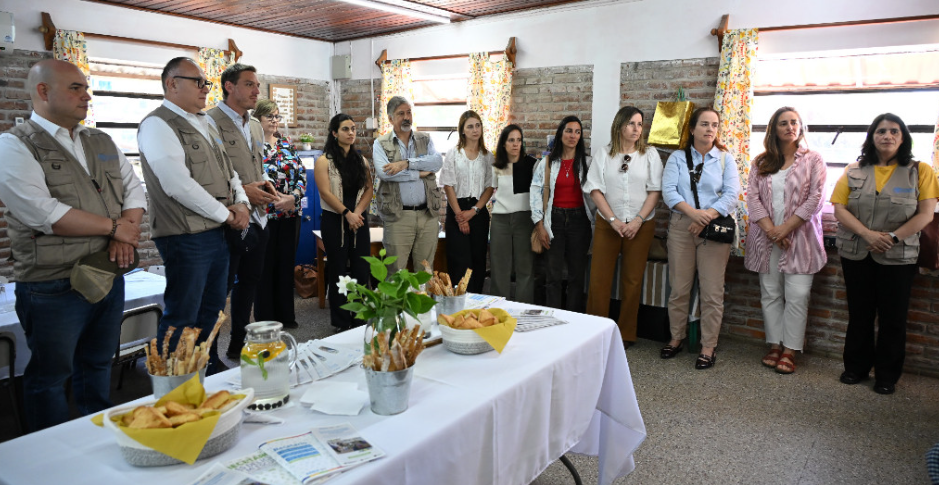
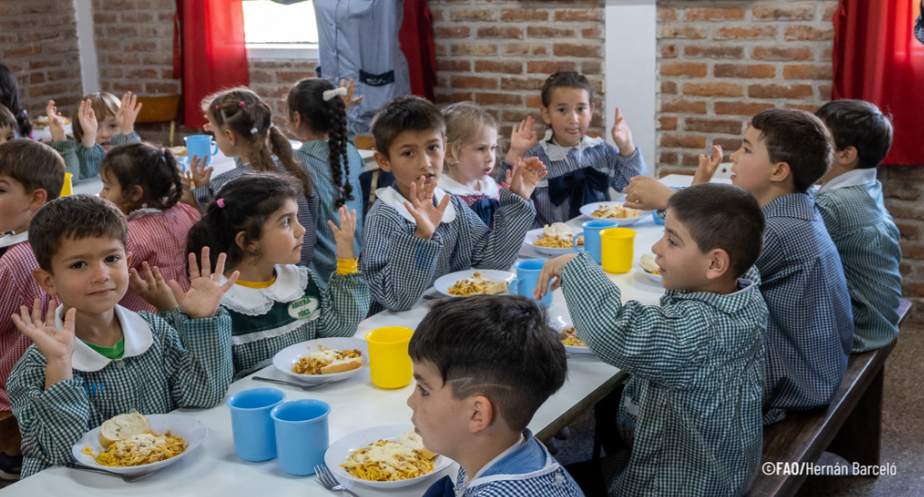
The visit included a tour of the school garden and an exchange with children and family members, who shared their knowledge, experiences and activities. Through healthy recipes for breakfasts, lunches and snacks, as well as by identifying the properties of foods, the pupils demonstrated how these lessons are part of the kindergarten’s daily life.
The centre is one of those selected to participate in the RAES pilot plan, which applies the Sustainable Schools methodology and promotes an integrated approach to food, education and the environment, with the active participation of the entire community.
Background
Since 2012, the Sustainable Schools methodology has been implemented in Latin America and the Caribbean through Brazil-FAO Trilateral South-South Cooperation on school feeding. The initiative is implemented by the ABC, the FNDE and FAO, with the aim of providing learning opportunities and addressing national and local challenges in order to scale up implementation within countries’ public education systems.
The methodology is based on six components: i) interinstitutional and intersectoral coordination; ii) social and civic participation; iii) food and nutrition education; iv) improvement of school feeding infrastructure; v) the adoption of appropriate, healthy menus aligned with local culture; and vi) the establishment of direct purchases from local family farming for school feeding.
The Sustainable Schools pilot seeks to strengthen the School Feeding Programme (PAE) of DGEIP-ANEP through a methodology that promotes school feeding as a tool for sustainable development and for guaranteeing the right to adequate food.
The initiative to begin this work in Uruguay emerged following the participation of the country’s representatives in technical missions and exchanges carried out by RAES. Subsequently, the Central Board of the National Administration of Public Education (ANEP-CODICEN) agreed to request technical cooperation from the FAO Representation in the country to conduct the assessment that made it possible to move forward with the implementation of Sustainable Schools. These institutions then signed their agreement to support the PAE. The process received support from FAO Uruguay and Brazil-FAO Trilateral South-South Cooperation on school feeding.