
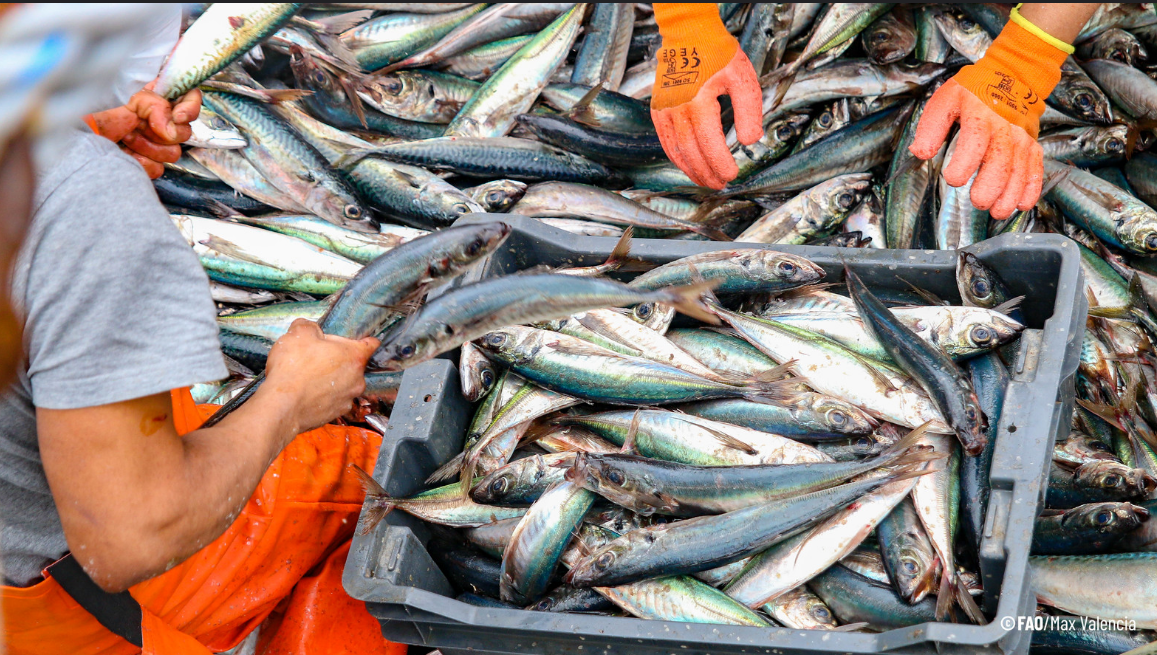
A comparative study gathered input from 2,330 professionals, including nutritionists and school kitchen staff, on challenges, perceptions, and progress in incorporating fish into school meals.
Brasilia, Brazil, May 4, 2026 – Fish that sustains fishing communities across Brazil has also been reaching the plates of millions of public school students. A report from the National School Feeding Programme (PNAE) shows that fish sourced from artisanal fisheries is already part of school meals, with nutritional planning, daily preparation by kitchen staff, and alignment with the food culture of each territory.
The survey, conducted online between November 3 and 15, 2025, collected responses from 2,330 professionals, including technical-responsible nutritionists and kitchen staff working within the PNAE across different regions of the country. The findings highlight both points of convergence in everyday school practices and important differences in how these two groups perceive the reality of schools.
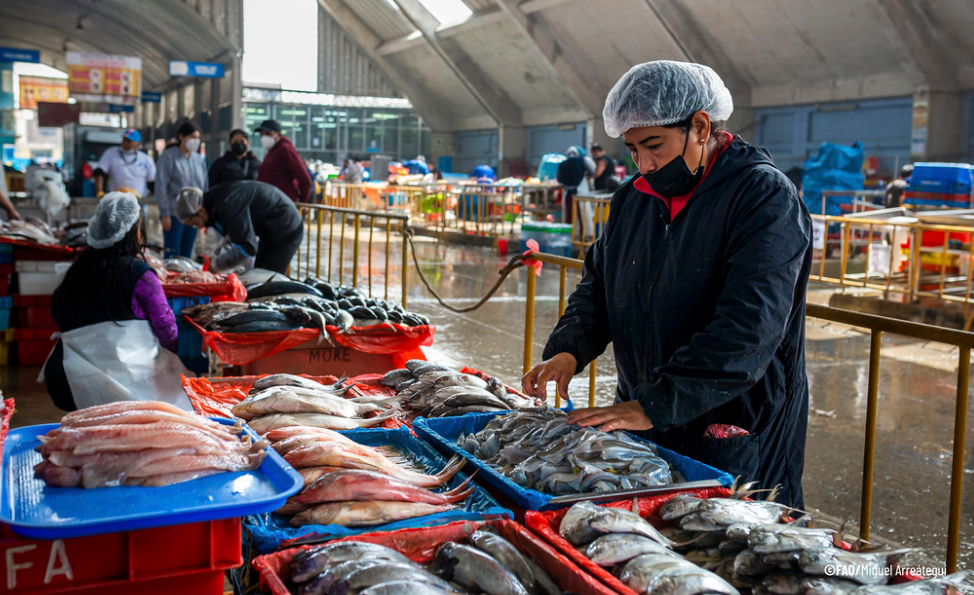
The study, led by the National Fund for Educational Development (FNDE), in partnership with the Ministry of Education (MEC) and the Ministry of Fisheries and Aquaculture (MPA), analyzed the presence of fish in public school feeding and identified relevant differences between the perceptions of technical-responsible nutritionists and kitchen staff regarding supply, student acceptance, and the main challenges to including this food in the PNAE. This intersectoral action is linked to the Artisanal Fishing Peoples Programme, established by Federal Decree No. 11,626 of 2023, and aligned with the guidelines set out in the National Plan for Artisanal Fisheries.
Among the findings, the data show there is still room—and concrete, appealing opportunities—to expand the presence of fish in public schools. According to nutritionists, 64% report that fish is not yet served in the school units under their responsibility. Among kitchen staff, this figure is lower, at 46%, pointing to opportunities to expand supply within the PNAE.
The study is part of a broader set of actions aimed at strengthening artisanal fisheries and increasing fish consumption in Brazilian public schools, helping to guide public policies and initiatives to improve school menus under the National School Feeding Programme. In this context, proposed actions and government incentives emphasize increasing and expanding the procurement of artisanal fish through public purchasing.
Bones, cost, and eating habits are the main barriers
The report also identified key factors to guide strategies for expanding the presence of fish in school menus. Among kitchen staff, concern about bones was the most frequently cited issue, mentioned by 54% of respondents. Among nutritionists, product cost and concerns about bones were equally prominent, both cited by 50%, indicating priority areas for planning expansion efforts.
Lack of dietary habits was also identified by half of kitchen staff as a factor to be addressed, alongside issues such as the availability of local suppliers, student acceptance, and the need for adequate preparation equipment.
Another factor analyzed was the institutional support received by school teams. Proportionally, 38% of kitchen staff reported receiving sufficient technical support, compared to 24% among nutritionists. This difference may be related to the direct involvement of kitchen staff in school units and their frequent interaction with technical teams.
Tilapia leads among the most commonly used species
The study shows similar results between nutritionists and kitchen staff regarding fish species selection and preparation practices in school kitchens. Tilapia appears as the predominant species in school menus, followed by sardines, tuna, and shark. There is also alignment between technical prescriptions and kitchen practices, with a predominance of fillets and baked preparations, considered more suitable formats for school feeding contexts.
Fish-based burgers, meatballs, fish bread, and other alternative preparations are still not widely used in schools. Among kitchen staff, 67% reported not using these options, while among nutritionists the figure reaches 56%. This suggests a need to expand training and develop recipes adapted to school kitchen realities, especially to improve student acceptance.